English
 русский
 Español
 italiano


Handling large tiles, glass panels, and stone slabs requires more than simple lifting strength. Surface contact plays a critical role in whether a suction tool can maintain a stable hold. Smooth glass and polished tiles usually provide an ideal sealing surface, while textured porcelain, structured stone, and rough finishes create a greater challenge.
This leads many installers to ask: will a glass lifting tool lose grip on textured surfaces?
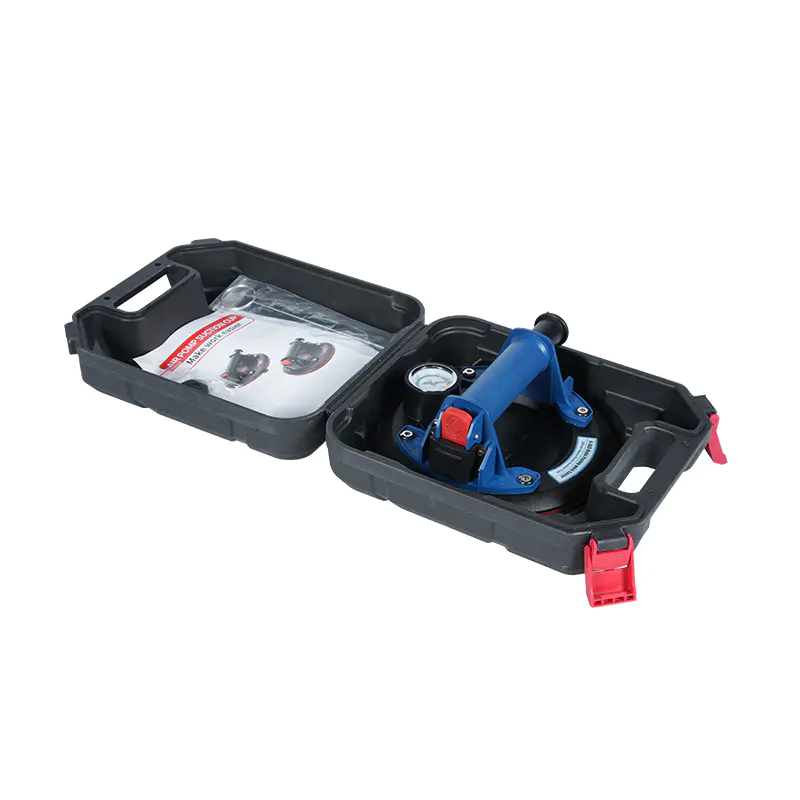
The answer depends on the surface structure, suction design, sealing material, and preparation before lifting. A Handheld Tile Glass Lifting Tool can provide reliable support on many tile and glass applications, but textured surfaces require a more advanced suction design compared with traditional flat suction cups.
Modern tile lifters often use improved rubber pads, larger contact areas, and vacuum mechanisms to improve holding performance. Some textured tile lifters add specialized sealing rings around the suction area to reduce air leakage on slightly uneven surfaces. However, dust, deep patterns, and porous finishes may still affect suction stability.
Suction lifting depends on creating a sealed space between the rubber pad and the material surface. Smooth surfaces allow the pad edge to form a continuous airtight connection.
Textured surfaces introduce small gaps between the suction cup and the tile, allowing air to enter and reducing vacuum pressure.
Common surface-related problems include:
These issues explain why a suction cup that performs well on polished glass may behave differently on outdoor porcelain slabs or textured decorative tiles.
The working principle is based on pressure difference.
The tool removes air from the space between the suction pad and the surface. Atmospheric pressure then pushes the cup against the material, creating holding force.
A typical handheld vacuum lifter includes:
Some professional vacuum lifters use automatic pumping systems or vacuum indicators to monitor suction pressure during operation, helping users confirm that the grip remains stable.
Not all textured surfaces create the same difficulty.
Light textures, fine stone patterns, and shallow embossed finishes may still allow a suction cup to maintain contact, especially with specially designed pads.
Deep textures and highly irregular surfaces create more limitations.
Surface types generally behave differently:
Some tile-specific suction lifters incorporate textured grip rings designed to improve contact with certain uneven tile surfaces.
Large porcelain panels create higher demands because the material is heavier, longer, and more difficult to reposition manually.
A slight loss of suction during movement can cause:
Large-format tile installers often use vacuum lifters with wider pads or higher holding capacity to improve control. Some models designed for tile, glass, and stone handling advertise capacities ranging from over 100 lb per cup to several hundred pounds depending on the design and surface conditions.
A larger suction pad does not automatically solve every surface problem, but it can increase the available contact area on suitable materials.
Common design factors include:
Many professional tile lifters use suction cups around 8 inches in diameter because this size provides a balance between portability and lifting capability.
Even a high-quality suction tool requires proper surface preparation.
Dust and debris are common reasons suction performance decreases. Small particles can prevent the rubber edge from forming a complete seal.
Before lifting, users should:
Manufacturers commonly recommend using suction lifters on clean, non-porous surfaces because contamination or surface voids may weaken the seal.
The number of suction points also affects stability.
A single handheld lifter provides flexibility for repositioning smaller panels or adjusting tile placement. Multiple suction systems distribute weight across several points, which can improve control on larger materials.
Different applications may require:
The correct setup depends on tile size, weight, and surface characteristics.
Higher vacuum strength sounds attractive, but surface compatibility remains the key factor.
A powerful suction system cannot create a stable seal across deep grooves or highly porous materials. The contact interface must work together with the vacuum mechanism.
Grip quality comes from the combination of suction force, sealing ability, and surface condition.
As porcelain slabs become larger and surface designs become more complex, lifting tools continue to evolve. Improved rubber compounds, smarter vacuum monitoring, and flexible sealing systems are helping installers handle more challenging materials.
A Handheld Tile Glass Lifting Tool may lose grip on certain textured surfaces, but modern designs can manage many applications with the right pad structure and proper preparation. Understanding surface limitations allows users to choose the correct lifting method and reduce unexpected failures during tile, glass, and stone installation projects.
Copyright © Yongkang Shuofang Import and Export Co., Ltd. All Rights Reserved.

Falans Tile Laying Tools Factory