English
 русский
 Español
 italiano
Home / News / Industry News / Are Smart Tiling Tools Changing the Way Ceramic Installations Are Done



The ceramic tile industry is experiencing a shift as installation projects become more complex. Large format porcelain slabs, thin ceramic panels, and customized interior designs are creating new demands for better handling, positioning, and adjustment methods. Traditional tools remain useful, but modern projects require equipment that provides more control and accuracy during installation. Recent industry discussions show that larger tile formats are becoming increasingly common, which has encouraged installers to adopt advanced equipment for safer handling and more consistent results.
Smart tiling equipment is not only about adding electronic functions. It represents a combination of improved mechanical design, battery technology, ergonomic structures, and precision control. From cordless suction devices to vibration systems and upgraded cutting solutions, Professional Ceramic Tiler Tools are helping installers manage challenging tile applications with greater confidence.
Modern architectural designs often use oversized ceramic tiles to create seamless surfaces with fewer joints. However, larger tiles also bring difficulties during transportation, positioning, and adhesive coverage. A small adjustment mistake can affect alignment, surface flatness, and the final appearance.
These challenges have increased demand for advanced tile installation solutions. Modern tools are designed to reduce unnecessary manual force while providing better control throughout the process.
Cordless operation has become an important development in professional construction tools. Rechargeable lithium battery systems allow installers to work in different areas without depending on nearby power sources.
A battery-powered suction cup, for example, can combine lifting capability with vibration functions. Some models use lithium-ion batteries around 18V with capacities of approximately 2000mAh, offering portable operation for large tile handling tasks. Certain professional devices also include adjustable vibration speeds, such as ranges from several hundred RPM to over 10,000 RPM, allowing users to match settings with different tile materials and thicknesses.
This technology is especially useful for renovation projects, commercial spaces, and locations where electrical access is limited.
Tile installation requires more than strength. Accuracy during cutting, lifting, and adjustment directly affects the final surface quality. New generation tools focus on better control instead of simply increasing power.
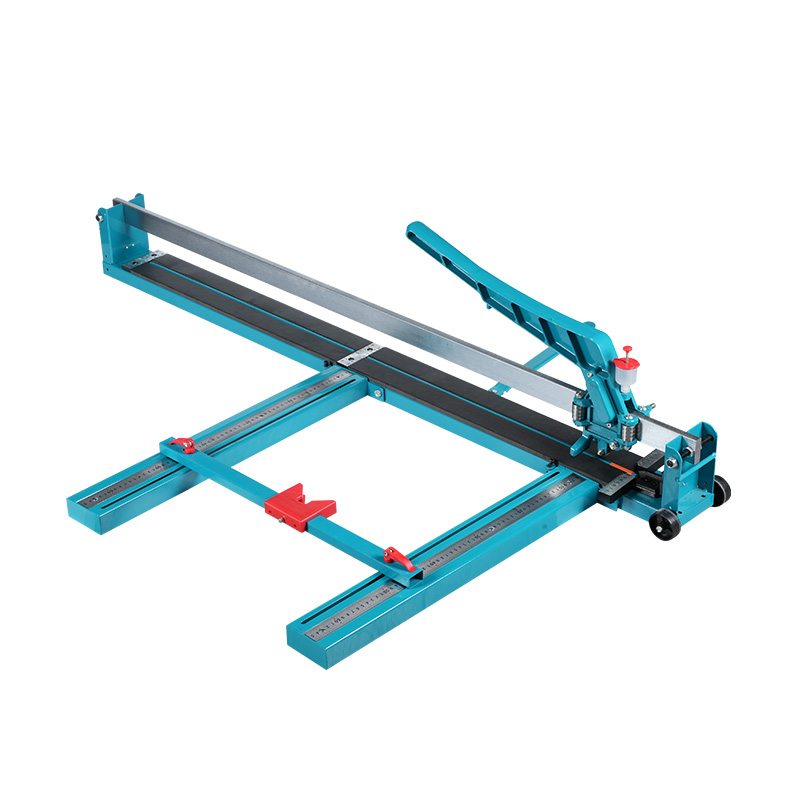
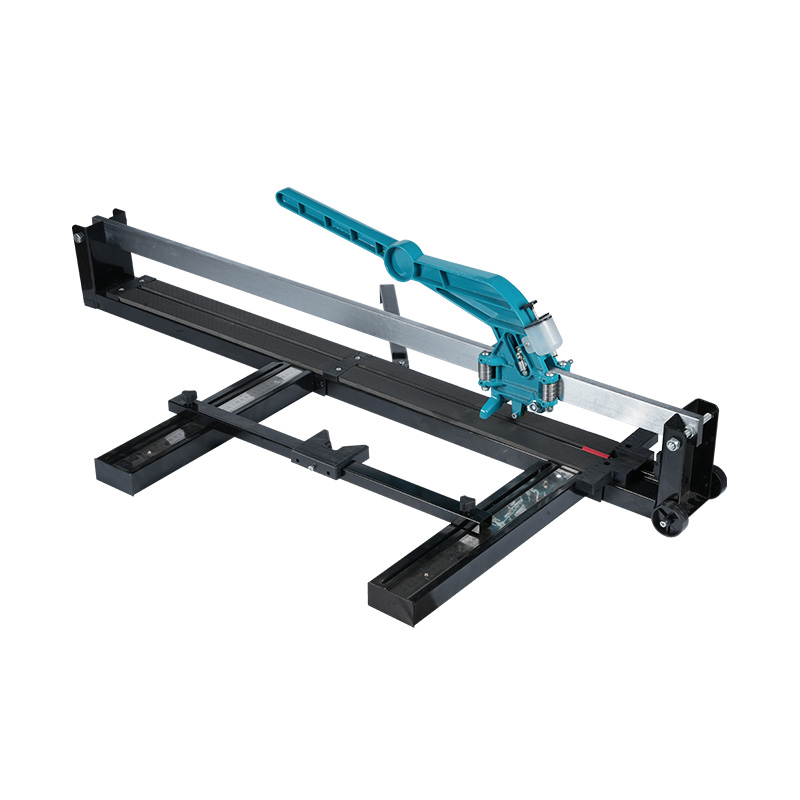
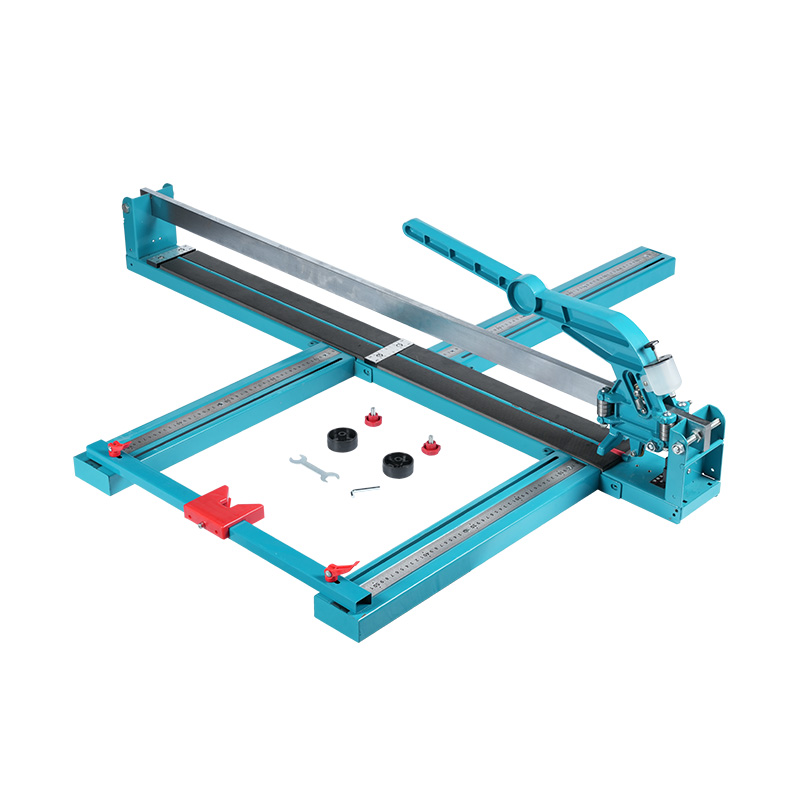
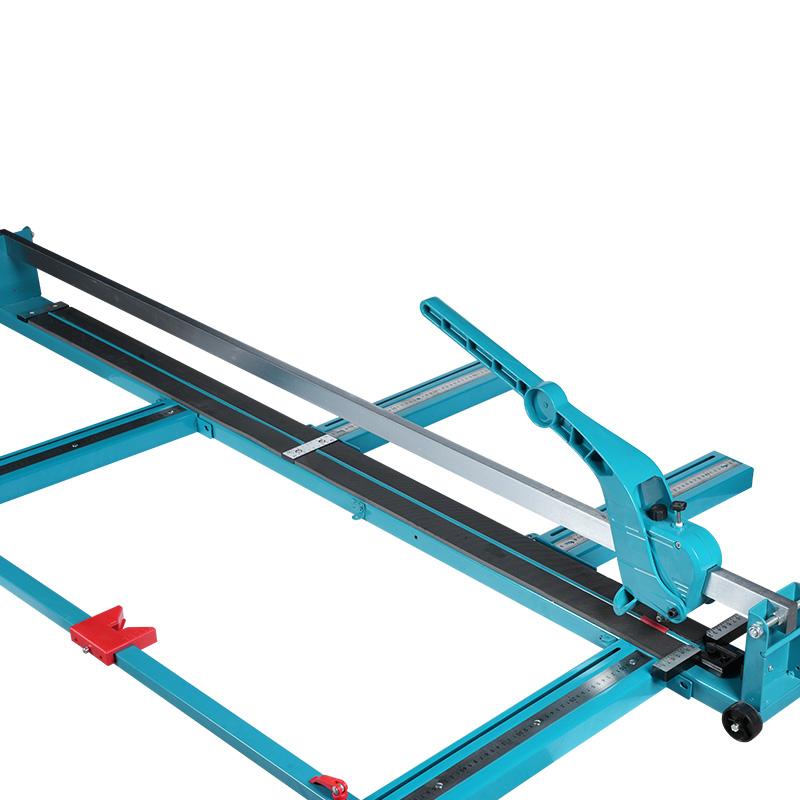
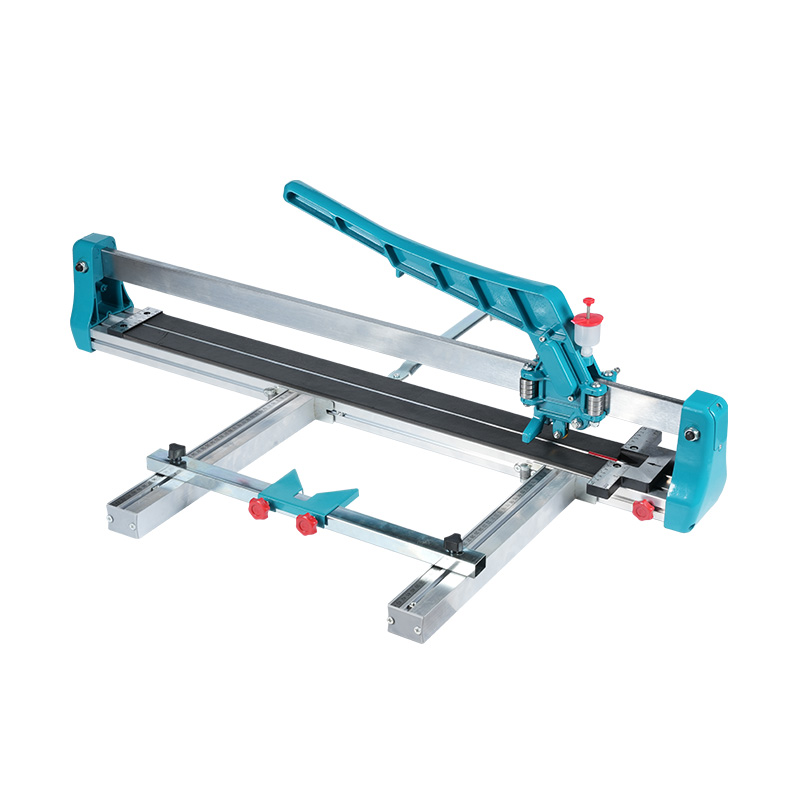
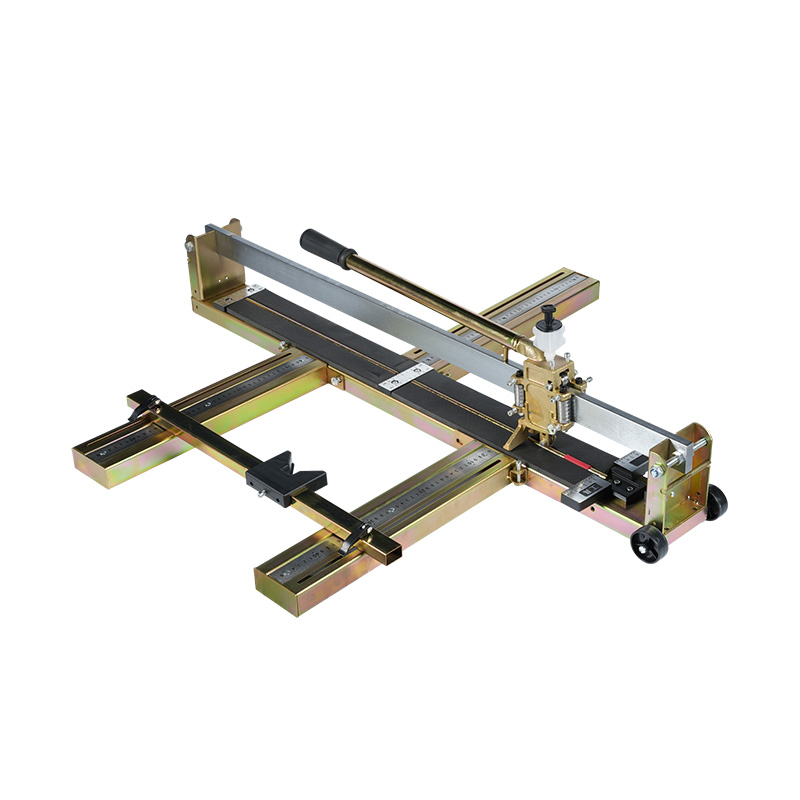
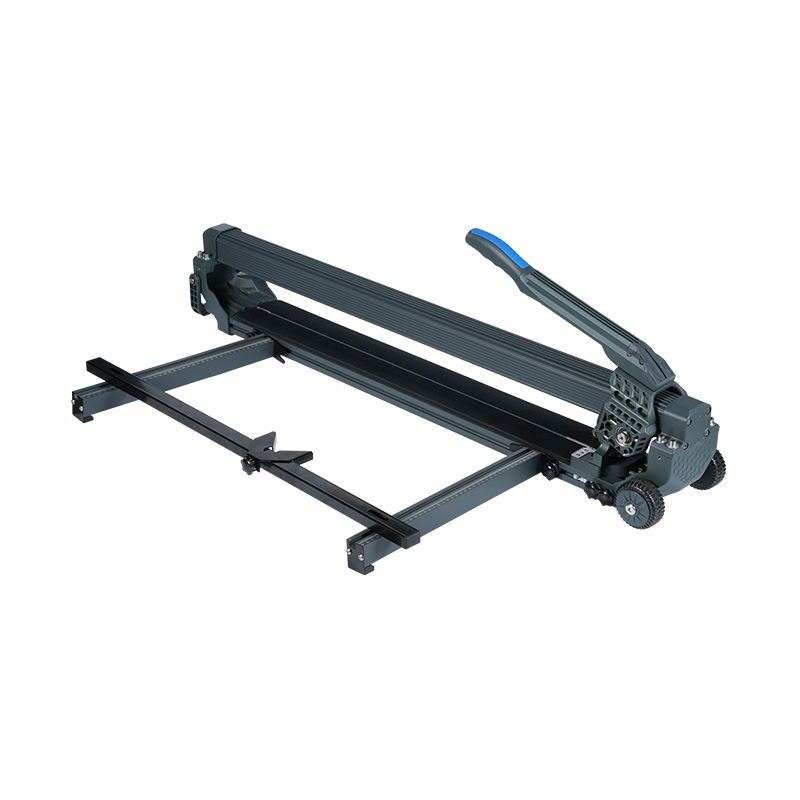
Manual tile cutting machines are a good example. Although they use a traditional operating method, updated designs often include stronger rails, improved scoring wheels, reinforced bases, and smoother breaking systems. These improvements help installers create cleaner cuts on ceramic and porcelain materials while maintaining simple operation.
The combination of traditional mechanical structures and upgraded components shows how tile tools continue to evolve without losing reliability.
One of the biggest concerns during tile installation is uneven adhesive distribution. Air pockets beneath tiles may affect bonding strength and create hollow areas. Portable tile vibrator tools are designed to help solve this issue by applying controlled vibration during placement.
Modern tile vibrators may feature electronic speed adjustment, rubber contact pads, and lightweight bodies. Some professional models provide vibration ranges from 0 to around 11,000 RPM and include soft suction surfaces to protect polished tile finishes.
This type of technology is becoming more valuable as tile sizes continue to grow and installation requirements become stricter.
Professional installers often spend many hours handling heavy materials, so tool design has become an important factor. Smart tiling equipment increasingly focuses on reducing physical pressure through balanced weight distribution, comfortable grips, and easier control systems.
Examples of ergonomic improvements include:
These features help installers maintain consistent performance during long working periods while handling demanding tile projects.
The future of ceramic installation is moving toward a combination of traditional skills and intelligent equipment. Experienced installers still rely on technical knowledge, but advanced tools provide additional support for challenging applications.
Professional Ceramic Tiler Tools now cover a wider range of functions, including tile cutting, lifting, positioning, vibration adjustment, and surface protection. The integration of battery systems, precision components, and user-focused designs allows contractors to handle different project requirements with more flexibility.
As residential and commercial designs continue to explore larger tiles and unique layouts, smart equipment will likely become a common part of modern installation workflows. The evolution of tile tools is not replacing craftsmanship; instead, it provides installers with better equipment to achieve accurate results across various applications.
Smart tiling tools represent a combination of innovation and practical experience. From cordless suction systems to precision cutting machines and portable vibration devices, these solutions are changing how installers approach complex ceramic projects.
The growth of advanced tile equipment reflects a wider trend toward safer handling, improved accuracy, and more adaptable construction methods. As tile designs continue to expand, professional installers will increasingly depend on tools that provide both convenience and technical control.
Copyright © Yongkang Shuofang Import and Export Co., Ltd. All Rights Reserved.

Falans Tile Laying Tools Factory