English
 русский
 Español
 italiano


Large-format porcelain tiles have become increasingly common in modern flooring, walls, kitchens, and commercial spaces. Their clean appearance and fewer grout lines create a premium visual effect, yet their size and density create new cutting challenges. A small mistake during cutting can result in chipped edges, uneven breaks, or wasted expensive material.
This raises an important question among installers: which type of hand tile cutter can truly handle large porcelain tiles with stable performance?
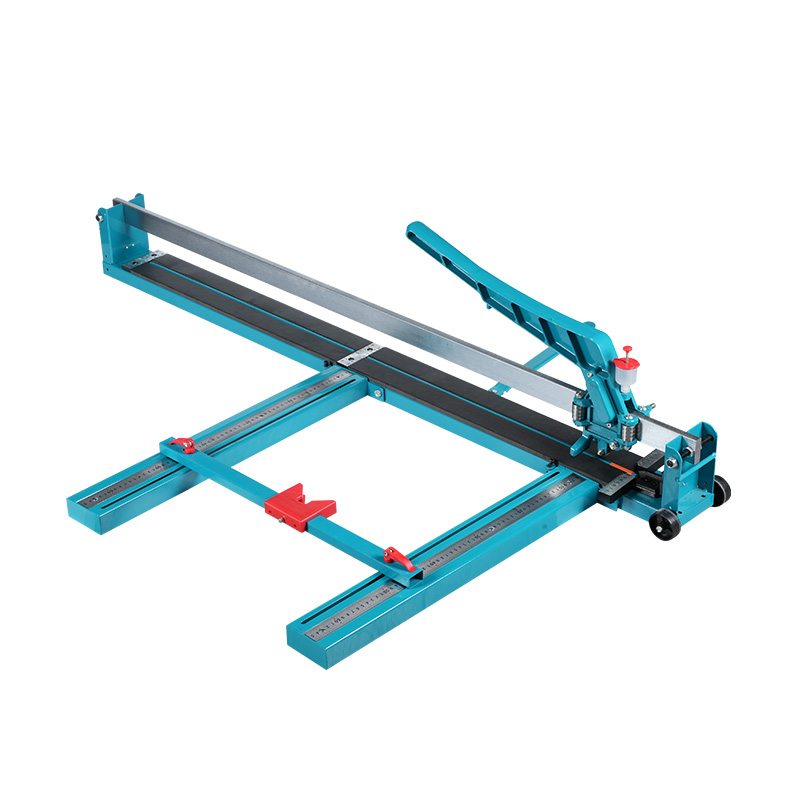
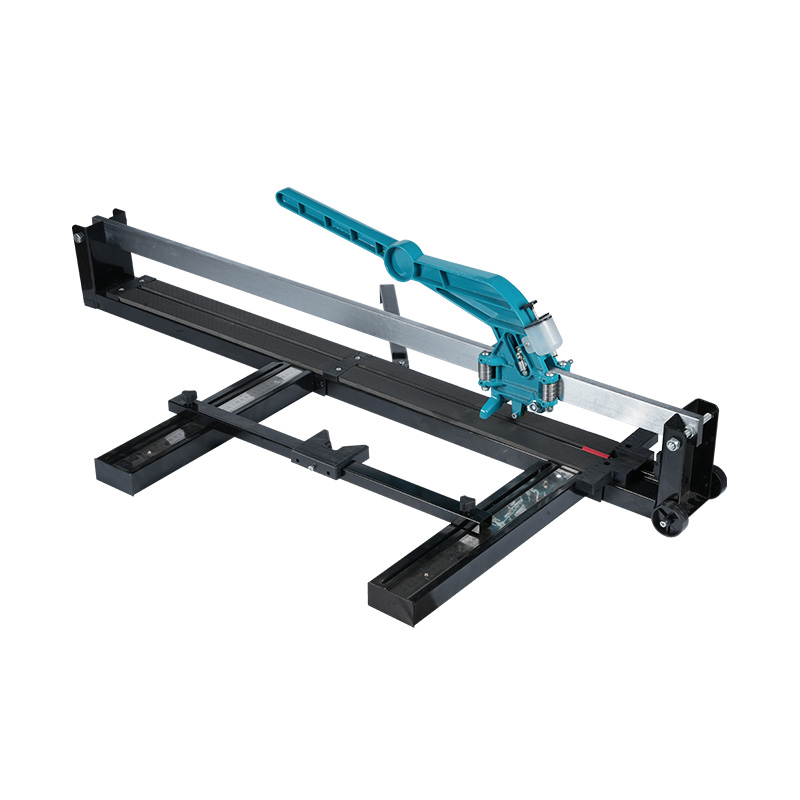
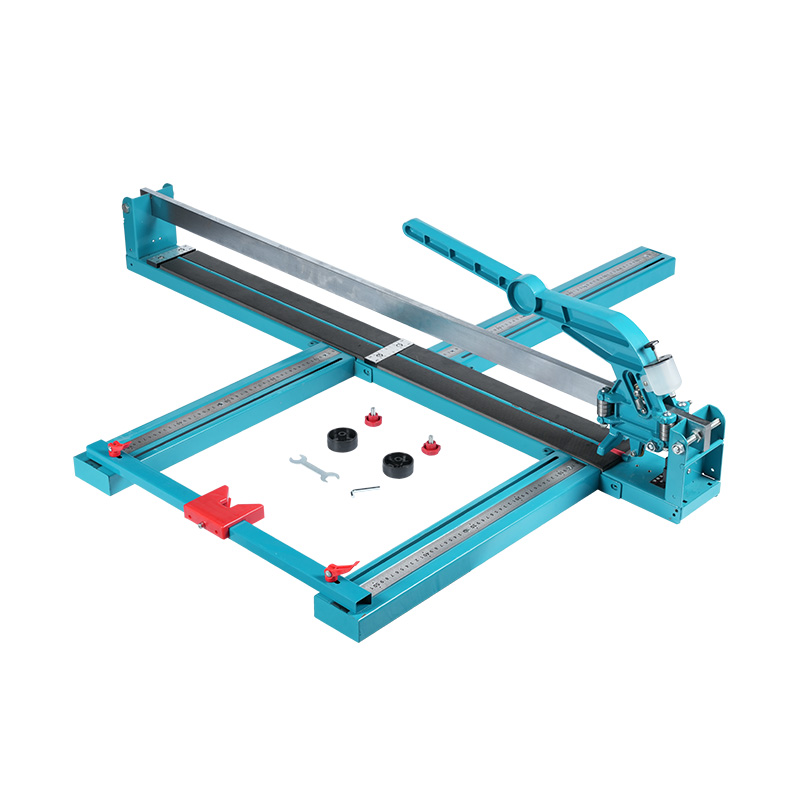
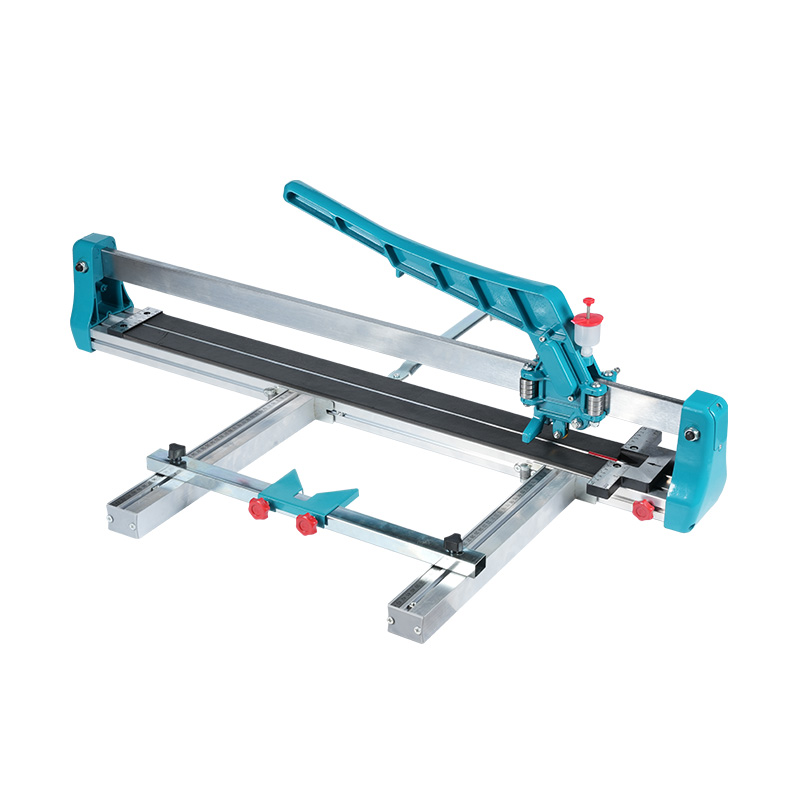
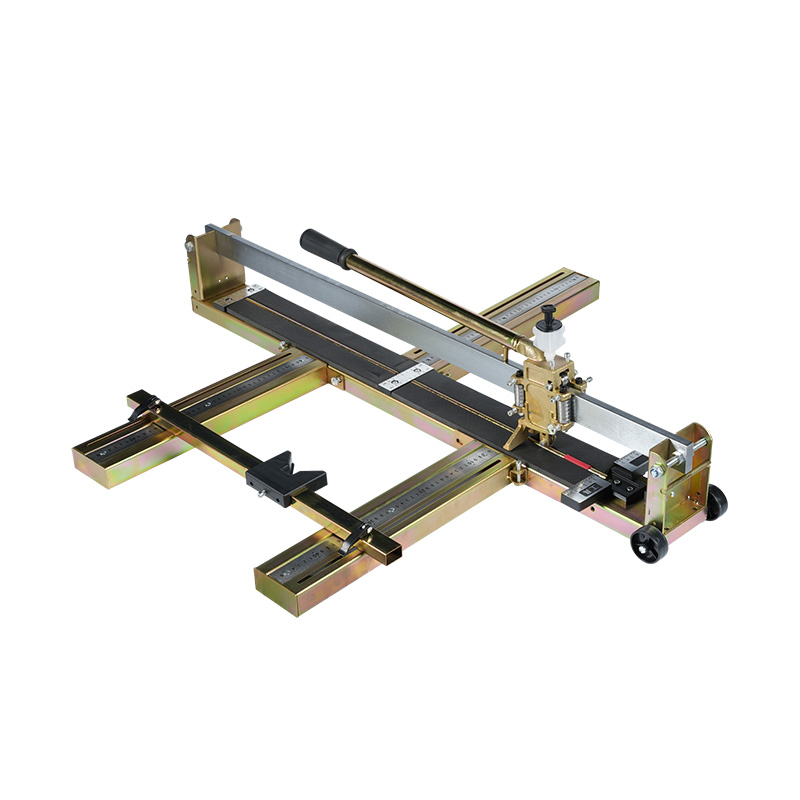
A Professional Hand Tile Cutter is designed differently from basic models. It focuses on structural strength, scoring consistency, and controlled breaking force to manage harder materials such as porcelain stoneware and thick ceramic tiles. However, not every manual cutter performs equally on large-format applications. Cutting capacity, rail design, scoring wheel quality, and breaker strength all influence the final result.
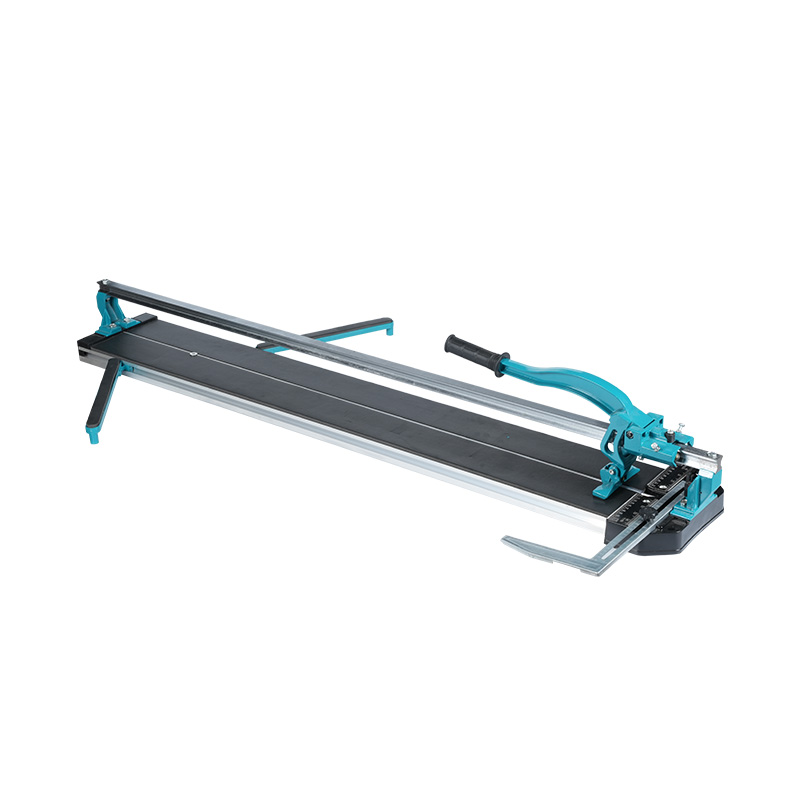
Many users assume that a longer cutting length automatically means better performance on large tiles. However, size alone does not determine cutting ability.
A large porcelain tile creates greater stress across the entire cutting surface. The cutter must maintain stable movement from the beginning of the score line to the final breaking point.
Important structural factors include:
Professional large-format cutters often combine reinforced chassis designs with precision guide systems because porcelain requires consistent force distribution rather than simple cutting length.
Porcelain tiles are denser than standard ceramic tiles because they are produced with lower water absorption and higher material compression. This density improves durability after installation but makes manual cutting more demanding.
Common issues during large porcelain cutting include:
Installers often report that large porcelain pieces require a cutter with sufficient rigidity and a suitable scoring wheel rather than simply stronger hand pressure.
The scoring wheel creates the foundation of the final break.
A damaged or unsuitable wheel may create an inconsistent fracture line, especially on textured porcelain surfaces.
Professional cutters commonly use tungsten carbide scoring wheels because the material provides the hardness needed to mark dense porcelain surfaces.
Typical wheel considerations include:
A larger wheel can create a deeper and more stable score line, which helps guide the fracture across thick porcelain materials.
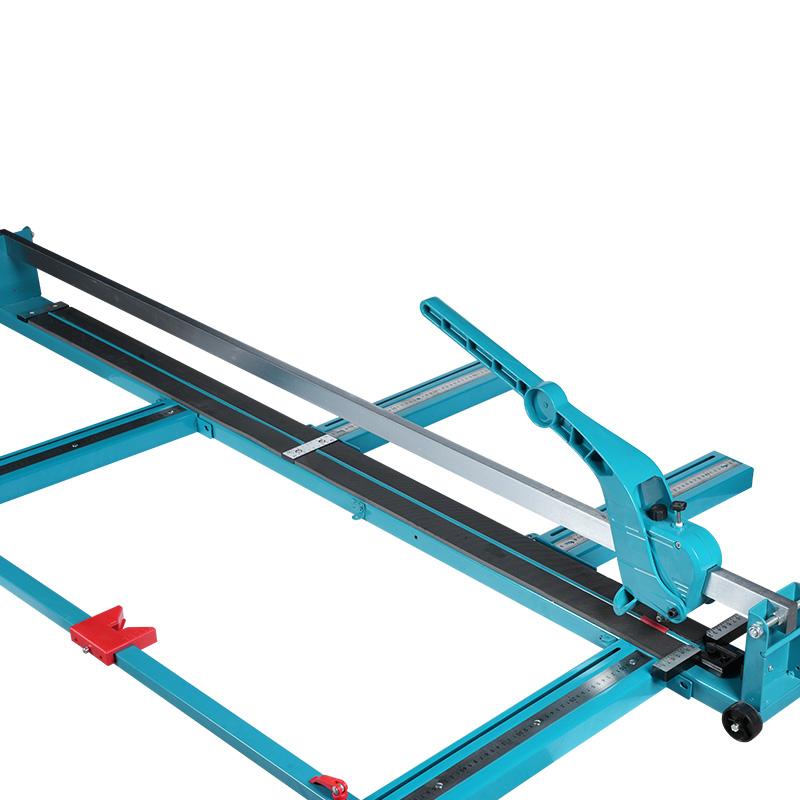
The guide rail system directly affects how smoothly the cutting head travels.
A single rail design can work well for many standard applications, but large porcelain formats place higher demands on stability. Any slight movement during scoring may affect the fracture path.
Dual rail systems or reinforced guide structures provide:
Many professional-grade models designed for large-format porcelain use reinforced rails or closed-frame structures to reduce flex during operation.
Creating a score line is only part of the process. The tile must also separate cleanly along that line.
Large porcelain tiles require carefully controlled breaking pressure. Too little force may leave the tile partially connected, while unstable pressure may create cracks away from the intended path.
A reliable breaker system usually includes:
Some heavy-duty manual cutters are equipped with high-force breaking mechanisms specifically developed for dense porcelain and large-format tiles.
A professional cutter should match the actual tile size used on the project.
Common large-format porcelain sizes include:
Professional manual systems may support cutting lengths from approximately 1200 mm to several meters depending on the design. Some large slab cutting systems are developed specifically for porcelain panels exceeding traditional cutter sizes.
Weight can improve stability, but it is not the only measurement of performance.
A heavy cutter with poor movement may still create inaccurate cuts. A well-engineered lightweight professional model with rigid materials and smooth guides can provide excellent control.
Important performance factors include:
Even a high-quality cutter requires proper operation.
Common practices that help improve results include:
Incorrect technique can reduce the performance of even advanced cutting equipment.
Large porcelain tiles require a balance between cutting length, structural strength, and precision control. A longer track alone does not guarantee clean results.
A Professional Hand Tile Cutter with a rigid frame, reliable scoring wheel, stable guide system, and effective breaker mechanism provides better control for demanding porcelain applications.
The right cutter allows installers to handle large-format tiles with greater confidence, reducing unnecessary breakage and improving edge quality. As porcelain sizes continue to expand, manual cutting equipment will continue evolving toward stronger structures, smoother operation, and more precise control.
Copyright © Yongkang Shuofang Import and Export Co., Ltd. All Rights Reserved.

Falans Tile Laying Tools Factory