English
 русский
 Español
 italiano


Small-format ceramic wall tiles have different cutting demands from large floor tiles. Common formats such as 100 × 100 mm, 150 × 150 mm, and 150 × 300 mm are lightweight and relatively thin, yet their compact dimensions can make positioning and controlled scoring surprisingly important. Choosing a suitable ceramic wall tile cutter depends on tile size, thickness, cut type, and the scoring mechanism rather than overall cutter length alone.
Large manual cutters usually provide long guide rails and wide support platforms. Such features are useful for large-format flooring, but they are not always necessary for small wall tiles. A compact handheld design can provide direct contact with the tile and avoid the bulk associated with larger equipment.
QEP's 32024 handheld model, for example, is designed around ceramic wall tiles up to 6 × 6 inches and 1/4 inch thick. The tool uses a 1/2-inch tungsten-carbide scoring wheel and a handheld score-and-snap mechanism.
The scoring wheel creates the fracture line that guides the final break. Carbide wheels are widely used on ceramic tile cutters because they provide a hard contact surface against the glaze.
Small ceramic wall tiles generally do not require the same scoring configuration used for dense porcelain floor tiles. A 1/2-inch tungsten-carbide wheel is used on the QEP handheld cutter designed specifically around small ceramic wall tile. Other manual cutters use 6 mm or larger wheels depending on the material and application.
Wheel condition also affects the quality of the score. A dull wheel can slide across the glaze rather than establishing a clear fracture path. Replaceable-wheel construction therefore gives installers more control over the cutting system without replacing the complete tool.
Small dimensions do not necessarily mean identical thickness. Ceramic wall tiles may vary considerably depending on their intended application and design.
Checking the manufacturer's thickness specification is important because two cutters with similar cutting lengths may have very different material capacities.
Handheld designs are particularly relevant to small wall tiles. Their compact form makes them easy to position over individual pieces, especially during small-area renovation work. The absence of a large cutting table can also make them convenient for quick score-and-snap operations.
QEP specifically positions its handheld model as a solution for small ceramic wall tiles that does not require setting up a larger tile cutter or saw.
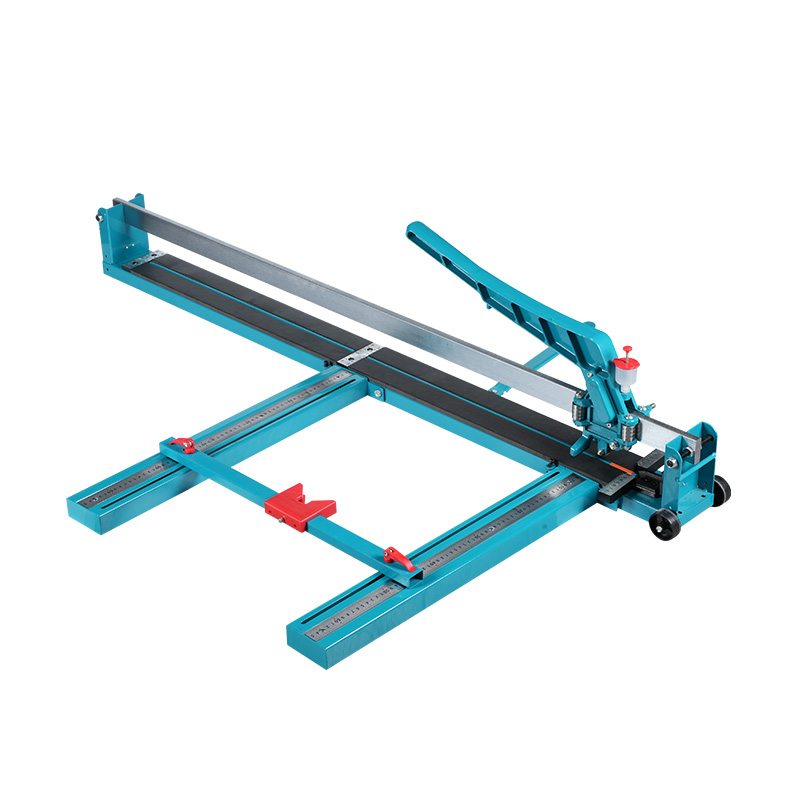
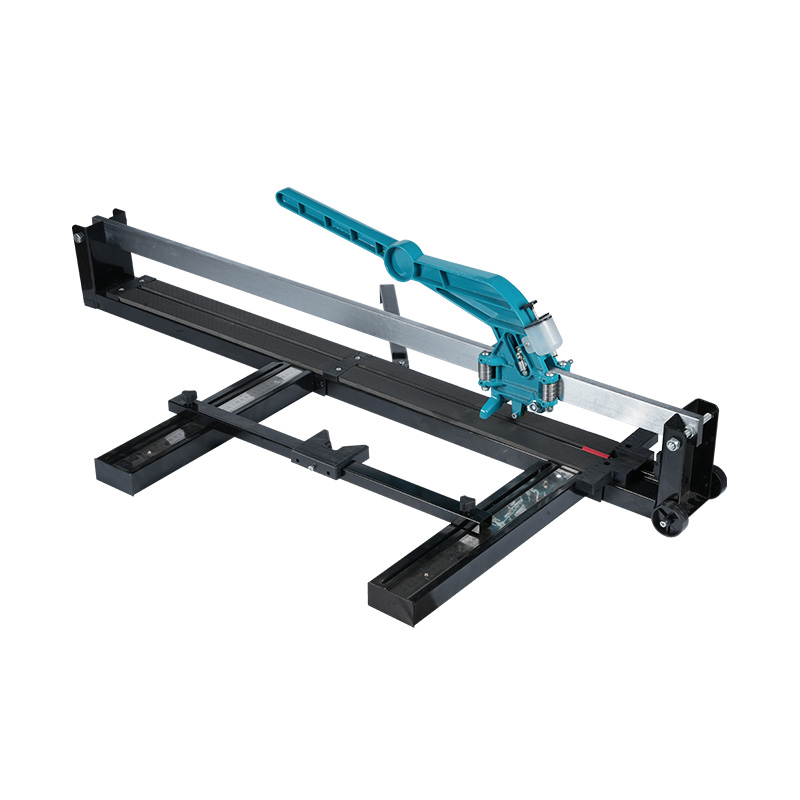
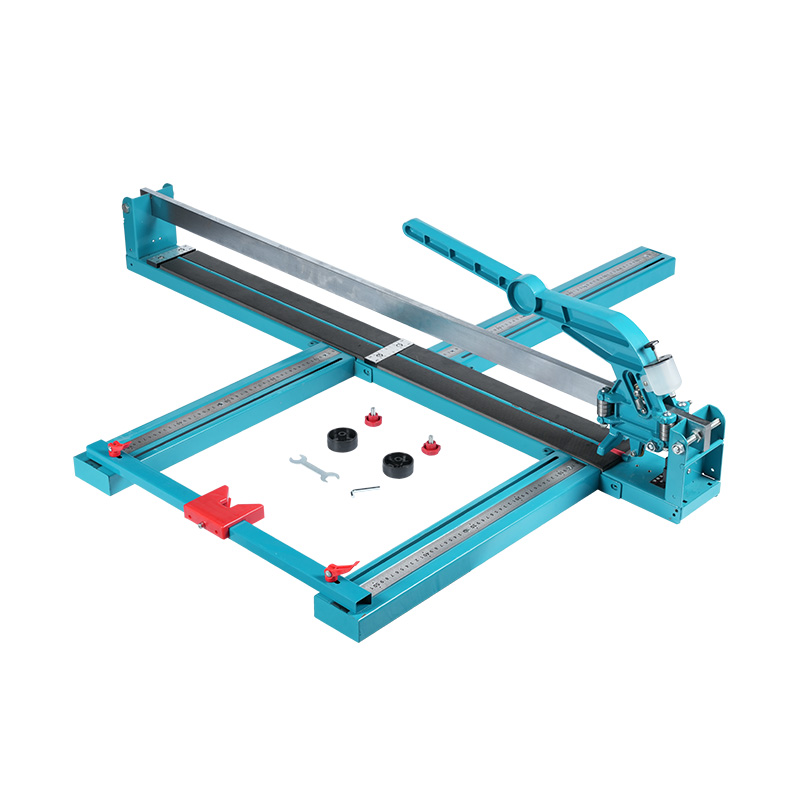
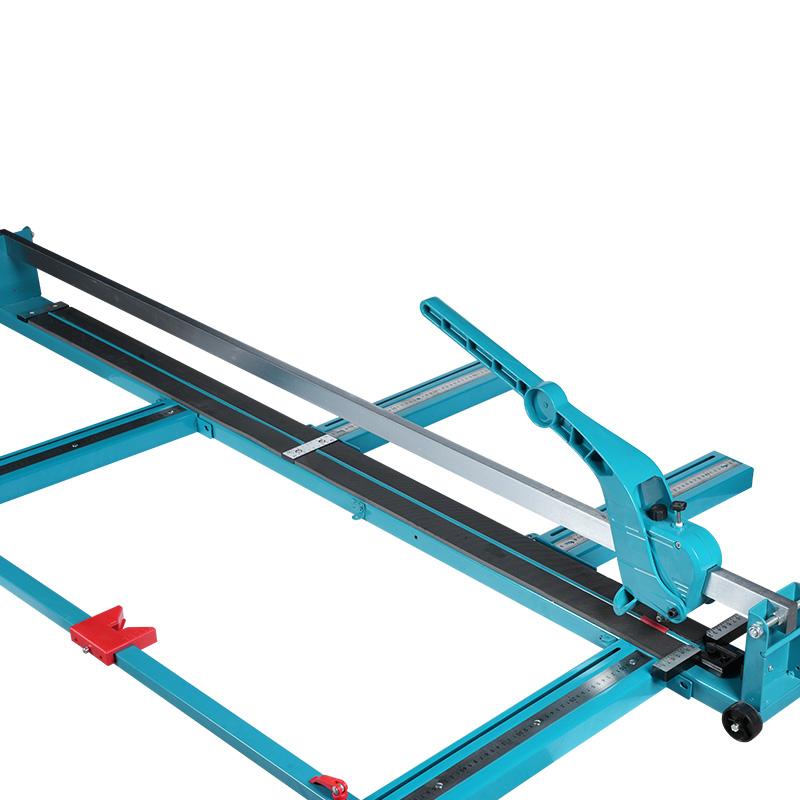
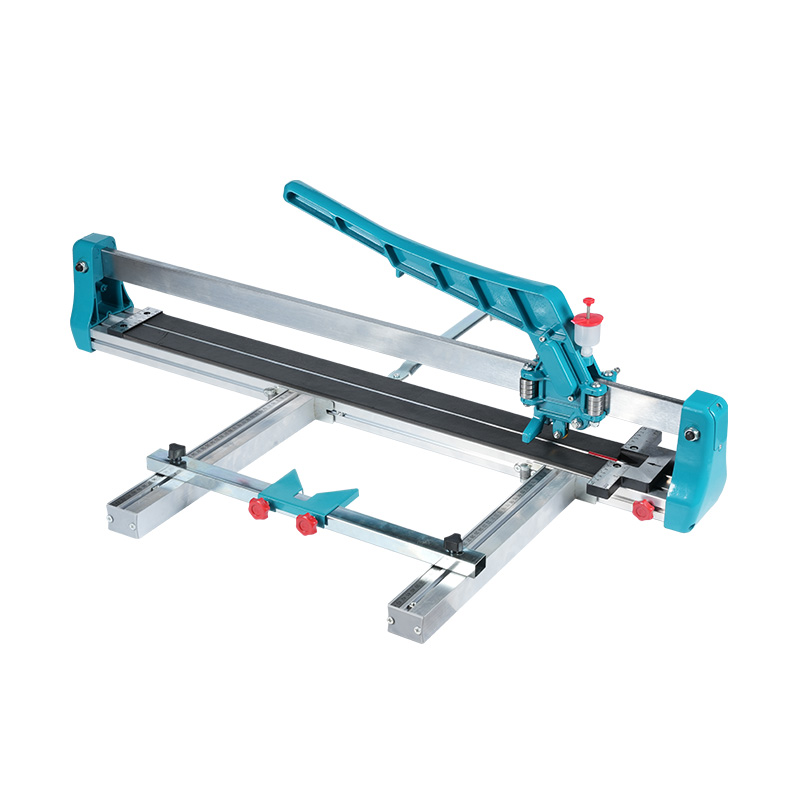
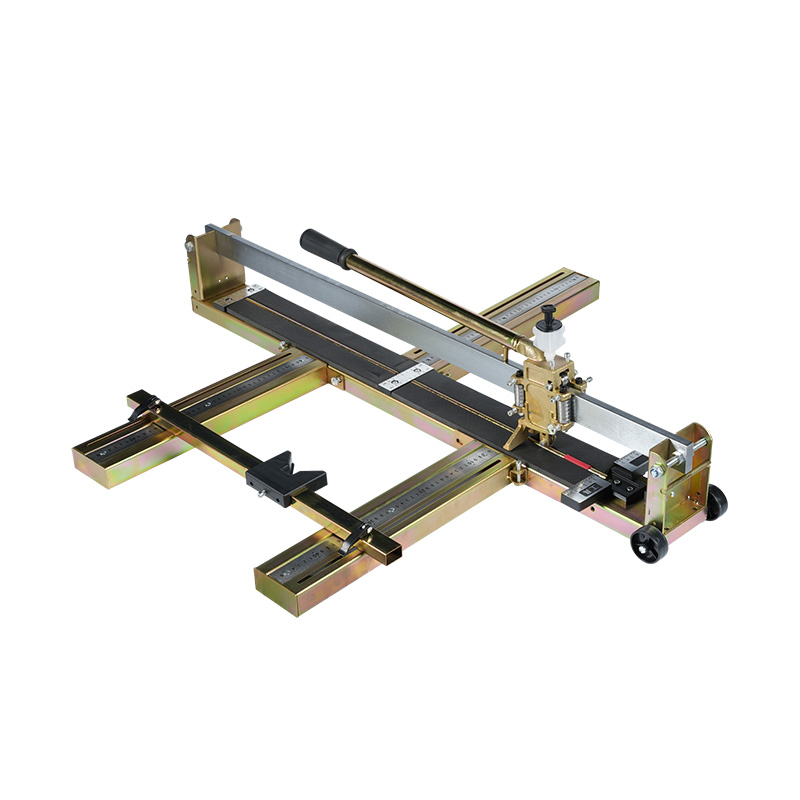
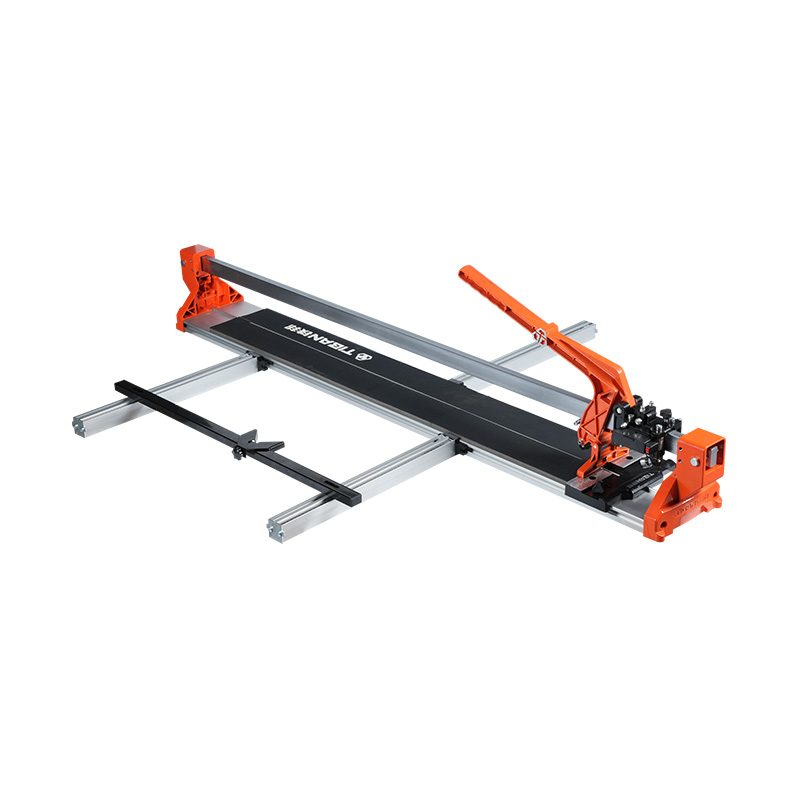
Rail-based cutters offer another option. They provide a supporting base, guide mechanism, cutting carriage, and adjustable fence. Such features become useful for repeated cuts that require consistent measurements.
Mastercraft's 20-inch manual cutter, for example, uses polished rails, a steel base, and a 1/2-inch tungsten-carbide scoring wheel. Its stated capacity reaches 20 inches for straight cuts and 14 inches diagonally, with tile thickness up to 1/2 inch.
Narrow cuts can be more demanding than a standard full-width cut. A small strip may provide limited surface area for stable positioning, particularly around wall corners, electrical outlets, plumbing fixtures, and decorative borders.
Tool geometry therefore matters. A cutter with an adjustable fence or stable contact surface can help position narrow pieces more consistently. Very narrow sections or irregular shapes may require nippers, an angle grinder, or a wet saw rather than relying exclusively on a score-and-snap mechanism.
Small-format ceramic wall tiles do not necessarily need a large professional cutter. Their relatively compact dimensions and common thin profiles make handheld score-and-snap tools a practical option for suitable straight cuts. Larger compact manual cutters provide another route for installers who need measurement guides, stronger bases, or greater thickness capacity.
The right ceramic wall tile cutter is therefore determined by the tile rather than the tool's physical size. Tile dimensions, thickness, scoring-wheel design, breaking mechanism, and the type of cut required should all be considered before the cutting method is chosen.
Copyright © Yongkang Shuofang Import and Export Co., Ltd. All Rights Reserved.

Falans Tile Laying Tools Factory