English
 русский
 Español
 italiano


Precision has always been a major challenge in porcelain tile cutting. Modern porcelain surfaces are harder, larger, and more expensive than traditional ceramic tiles, which means even a small deviation during cutting can create visible gaps, uneven edges, or unnecessary material waste.
Laser guidance technology has appeared as a new feature on many manual tile cutters, raising an important question: does a laser guide truly improve cutting accuracy, or is it simply an additional feature on the tool?
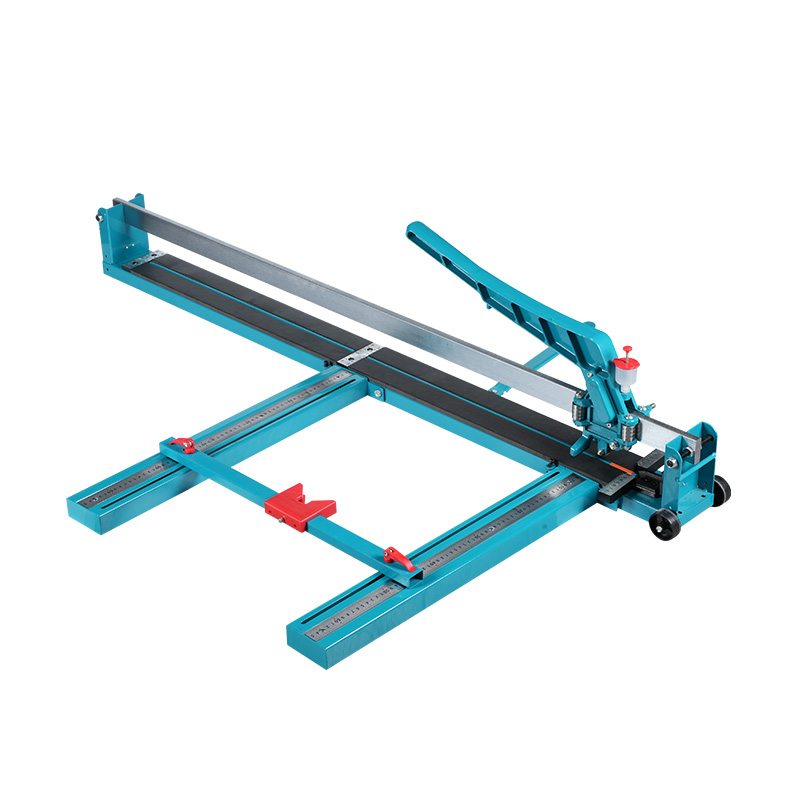
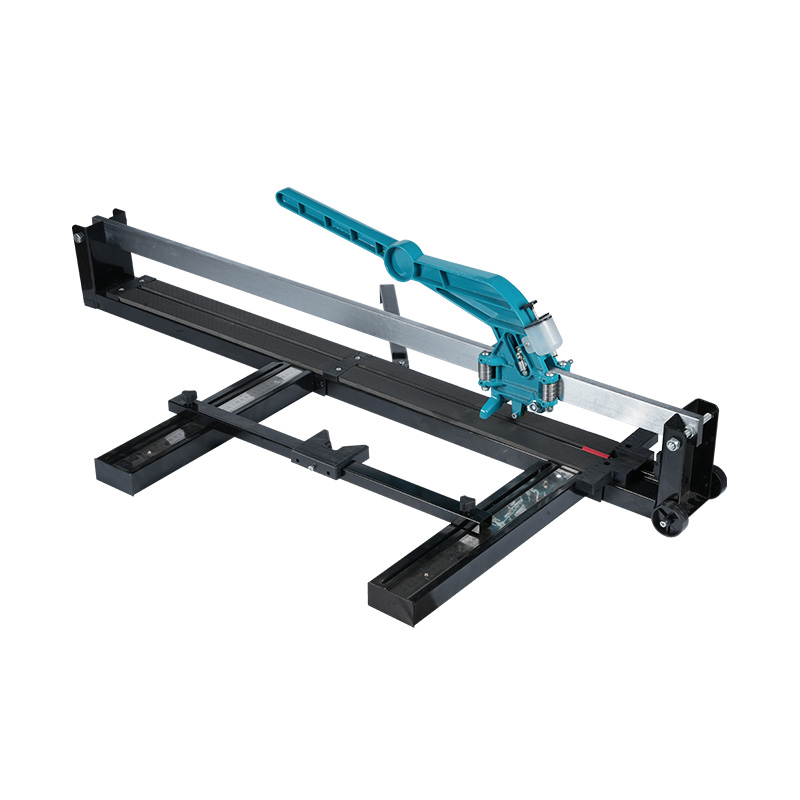
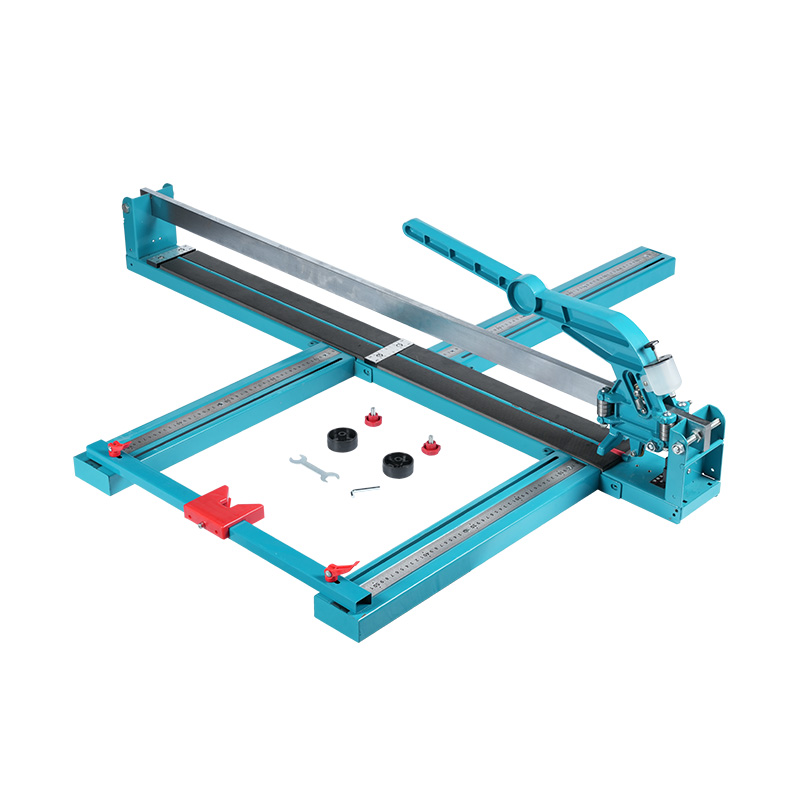
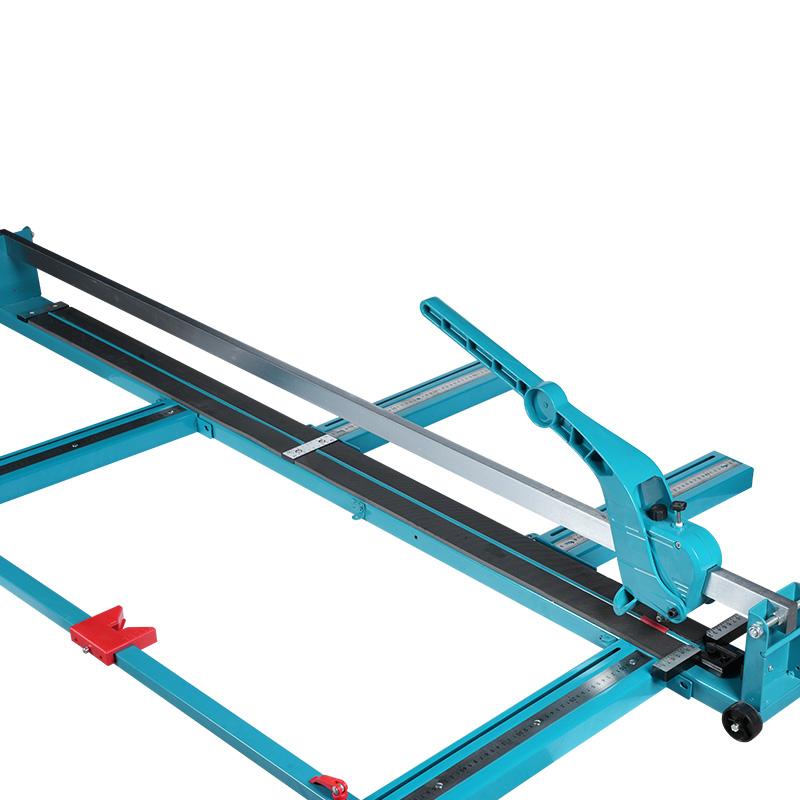
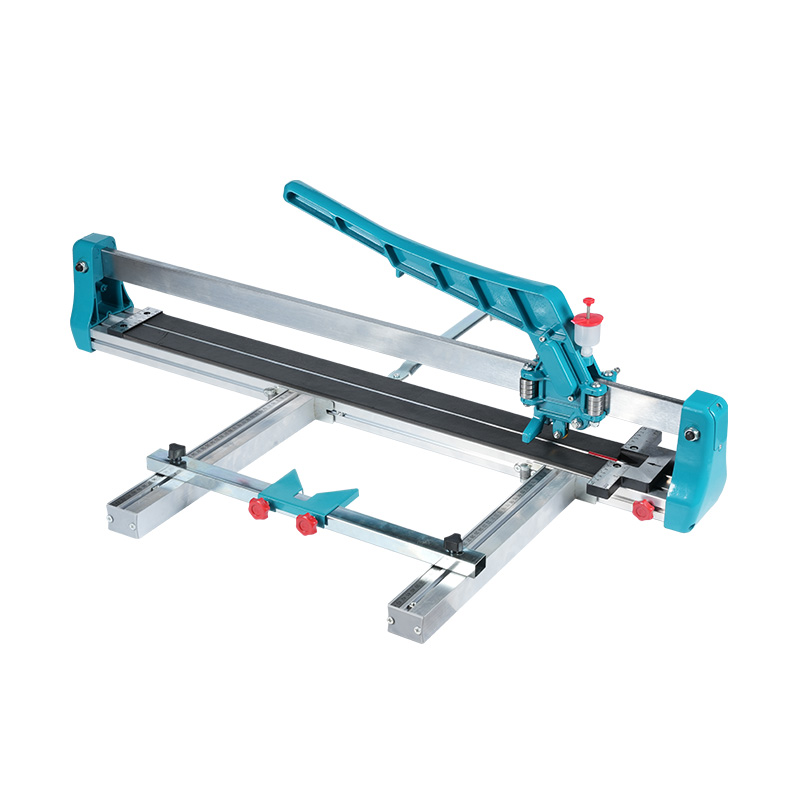
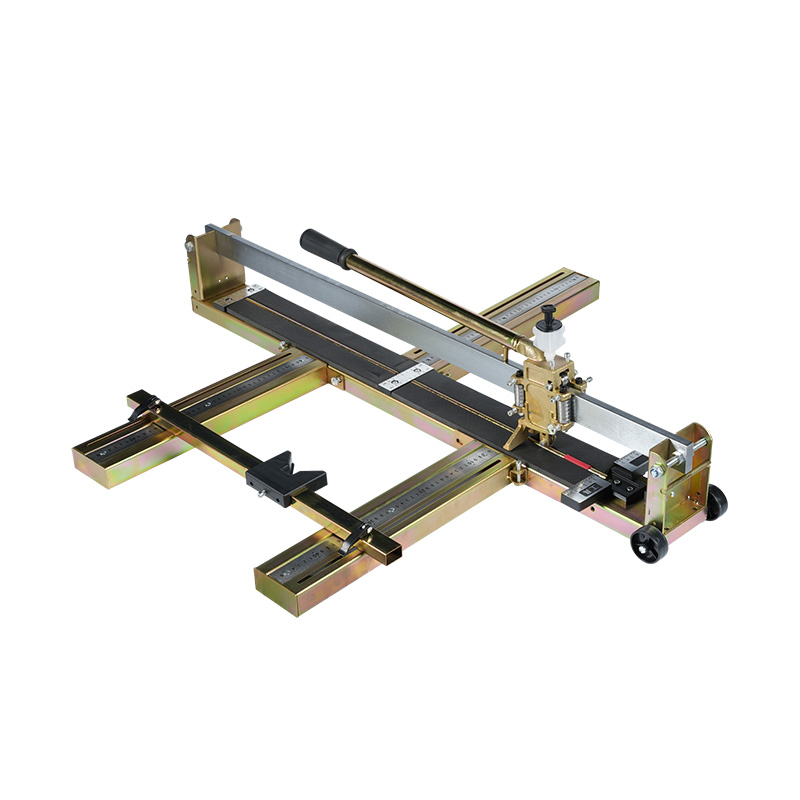
A Laser Cutting Guide Porcelain Tile Cutter combines traditional scoring technology with visual alignment assistance. The laser projects a reference line onto the tile surface, helping users position the cutting path before the scoring wheel contacts the material. Many current models pair laser positioning with reinforced rails, tungsten carbide wheels, and measurement scales to support straighter cuts on porcelain and ceramic tiles.
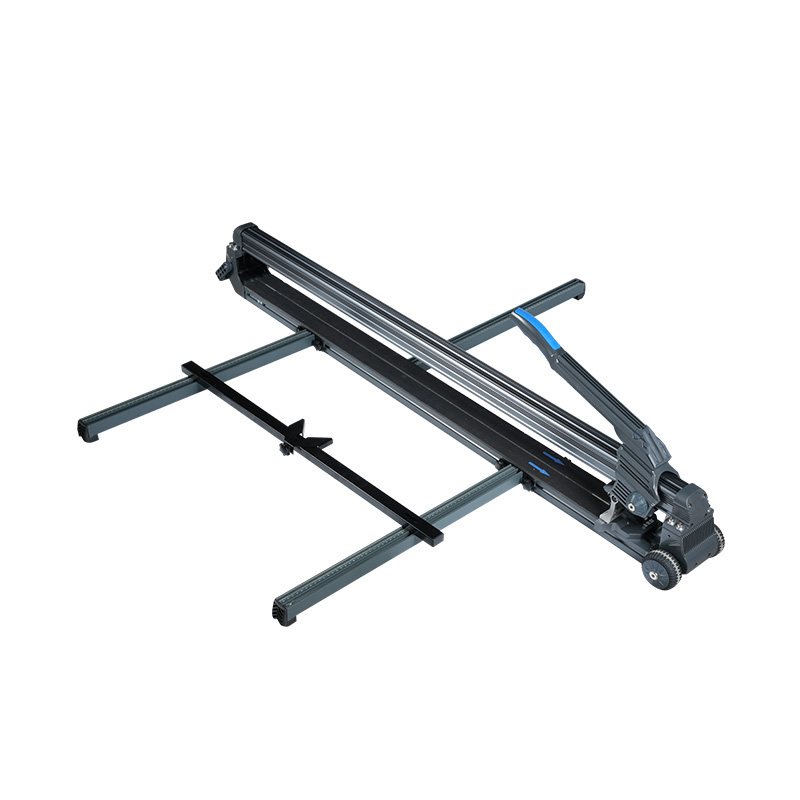
Manual tile cutting depends heavily on accurate positioning. A small angle difference between the tile edge and scoring wheel can become a noticeable mistake after a long cut.
Traditional cutters usually rely on measurement rulers and physical guide fences. Although these systems remain effective, users may still experience errors caused by:
A laser guide creates an additional visual reference directly on the tile surface. This helps installers confirm the intended cutting position before applying pressure.
Laser guidance improves positioning, but it does not replace mechanical accuracy.
The laser only indicates where the cut should happen. The final result still depends on the condition of the cutting wheel, rail stability, tile support, and breaking system.
A cutter with an accurate laser but a flexible frame may still produce inconsistent results. Similarly, a rigid cutter with a damaged scoring wheel may create chips despite accurate alignment.
The complete cutting system includes:
Porcelain tiles create unique cutting challenges because of their density and surface hardness.
Large porcelain formats such as 600 × 1200 mm panels require greater control compared with smaller ceramic tiles. A minor alignment mistake becomes more visible across longer cutting distances.
Professional-style laser-guided cutters commonly support specifications such as:
Some commercially available laser-guided porcelain cutters are designed around 1200 mm cutting capacity and combine infrared positioning with stable sliding systems to improve repeatability.
A laser guide is useful, but its performance can vary depending on the installation environment.
Strong sunlight, dusty surfaces, or highly reflective tiles may reduce laser visibility. Dark porcelain finishes can also make projection lines harder to distinguish.
Users can improve visibility by:
One important factor often overlooked is laser calibration.
The projected line must match the actual scoring wheel path. A small offset between the laser and cutting wheel can create false confidence and result in incorrect cuts.
Reliable laser-guided systems usually include adjustment structures that allow users to align the projection line with the scoring mechanism.
Regular checking is especially valuable for:
Laser technology attracts attention because it is easy to see, but the mechanical structure remains the foundation of cutting quality.
During scoring, the cutting head must travel smoothly without shaking. Any movement can affect the pressure applied by the wheel and create an uneven fracture line.
Features that support stability include:
Many laser-equipped models combine these structural features because alignment accuracy and mechanical movement work together during cutting.
Material waste often comes from inaccurate measurements and failed cuts.
Laser guidance helps users confirm the cutting position before scoring, reducing mistakes caused by incorrect placement. This is particularly useful for projects involving expensive porcelain tiles, for which replacement pieces are costly.
However, waste reduction also depends on:
Experienced installers often rely on measurement skills developed over years of work, while beginners may struggle with maintaining consistent alignment.
A laser guide provides an immediate visual reference that simplifies the positioning process. This does not remove the need for technique, but it helps reduce one common source of human error.
For professional installers, the advantage appears during repeated cutting tasks. Faster visual confirmation can improve workflow consistency, especially across multiple tiles with identical dimensions.
Laser guidance has not completely transformed tile cutting by itself. The technology works best as part of a carefully engineered cutter that combines accurate positioning, stable movement, and reliable scoring performance.
A Laser Cutting Guide Porcelain Tile Cutter offers practical benefits by improving visual alignment, supporting repeatable measurements, and helping users achieve cleaner cutting results. The laser does not replace mechanical precision, but it adds another layer of control that becomes increasingly valuable as porcelain tiles become larger, harder, and more demanding to process.
Copyright © Yongkang Shuofang Import and Export Co., Ltd. All Rights Reserved.

Falans Tile Laying Tools Factory