English
 русский
 Español
 italiano


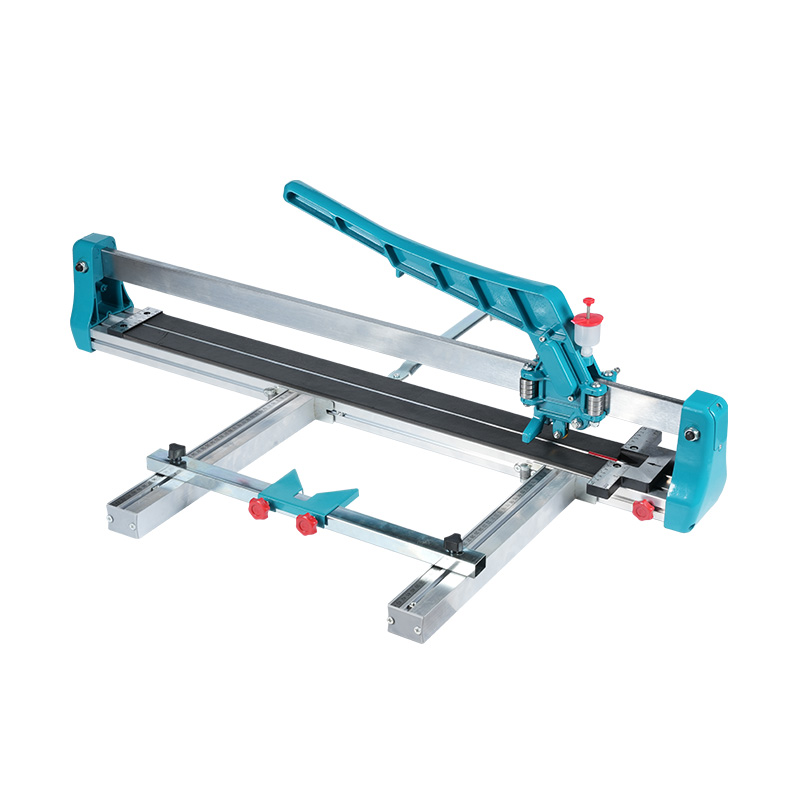
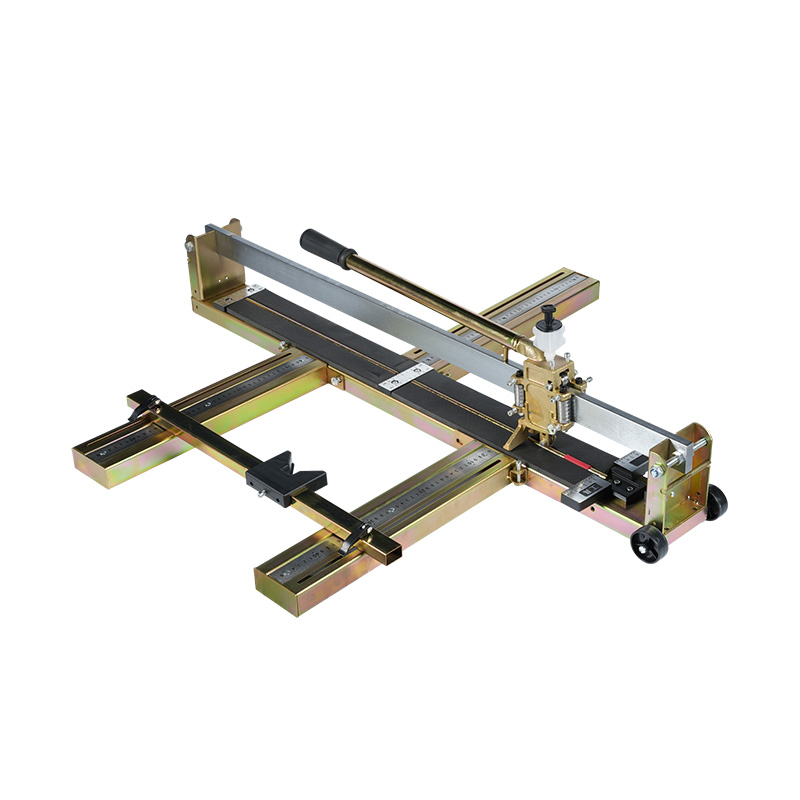
The rise of Laser Tile Cutter Manufacturer systems has pushed expectations around precision cutting in porcelain, ceramic, and stone processing. Attention often focuses on accuracy and edge finish, yet a more practical question dominates real installation scenarios: how these machines behave under ultra-thick tile conditions where material resistance increases sharply and cutting stability becomes harder to maintain.
Ultra-thick porcelain slabs, often used in countertops, façades, and high-load flooring, introduce mechanical and thermal stress levels that standard cutting systems were not originally designed to manage. This creates a clear gap between theoretical machine capability and on-site performance results.
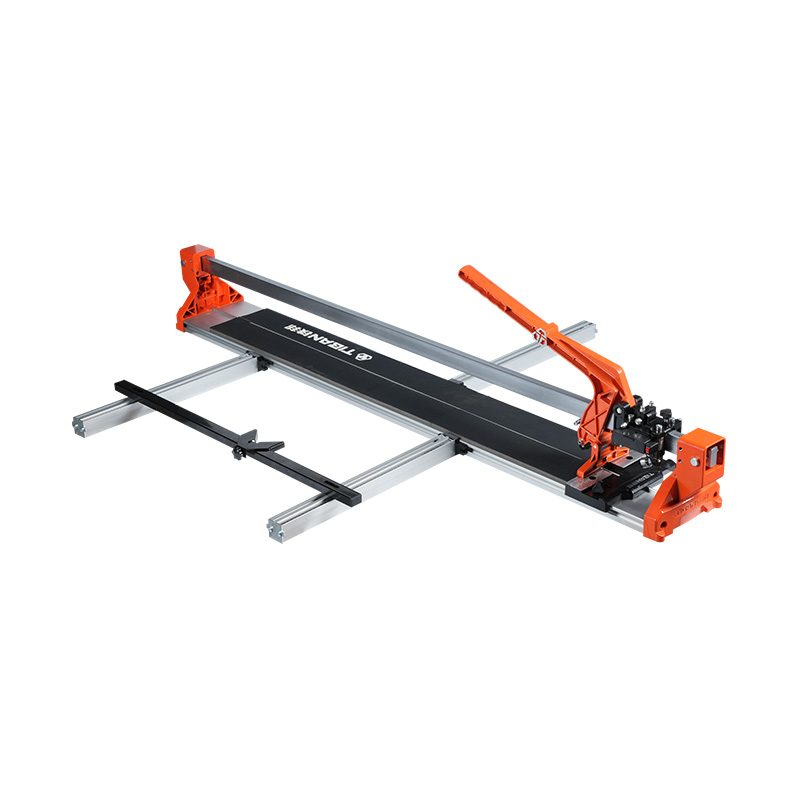
Porcelain is already a brittle, high-density material, and increasing thickness significantly alters how internal stress distributes during cutting. Standard tiles (8–12 mm) tend to fracture predictably along scored lines, while slabs above 20 mm resist clean separation and store more elastic energy before breaking.
Observed effects in thicker materials include:
Industry cutting analyses note that porcelain’s hardness (often rated 7–8 on the Mohs scale) combined with increased thickness amplifies micro-fracture risks at the edge zone, especially under aggressive feed pressure or unstable support conditions.
Laser systems used in tile cutters improve alignment visibility, but they do not influence cutting force, blade durability, or material resistance. The laser line only indicates the intended path, while actual separation depends on mechanical interaction between diamond blade and tile body.
Key limitations include:
Even advanced bridge saw systems with laser alignment show performance variation when processing dense porcelain slabs, as mechanical stability becomes the dominant factor rather than visual guidance systems.
Ultra-thick porcelain places significantly higher load on diamond cutting blades. The contact area increases, heat buildup intensifies, and friction resistance rises throughout the cutting path.
Common mechanical stress patterns:
Once blade sharpness begins to degrade, operators often compensate by increasing pressure, which further amplifies edge damage rather than improving cut stability. This cycle becomes more pronounced in thick material processing.
Thicker porcelain retains heat longer during cutting operations. Without stable cooling, thermal expansion introduces internal stress gradients that weaken the edge structure.
Typical thermal-related issues include:
Water-assisted cutting systems reduce these risks by stabilizing temperature distribution and removing debris from the cutting zone. However, inconsistent cooling flow can still result in uneven edge quality across long cutting passes.
Ultra-thick tile cutting places significant strain on machine frames, rails, and support tables. Any mechanical flex or vibration is amplified by material resistance.
Critical stability factors:
Even minor structural deviations can translate into visible edge misalignment over long cutting distances, particularly on large-format porcelain panels where tolerances are extremely tight.
Practical installation reports highlight that ultra-thick porcelain cutting outcomes vary widely depending on machine class and setup quality. High-end industrial systems generally maintain stable results, while mid-range equipment often requires multiple passes or post-processing to achieve acceptable edge finish.
Common field observations:
Some operators also report that material batch variation plays a role, with certain porcelain slabs behaving more unpredictably even under identical machine settings.
Laser tile cutters remain highly effective for standard ceramic and porcelain thickness ranges, but ultra-thick slabs expose mechanical boundaries rather than optical or alignment limitations. Cutting performance is ultimately governed by torque delivery, vibration control, blade stability, and material fracture characteristics.
Understanding these constraints helps set realistic expectations: laser-assisted systems improve guidance accuracy, while actual cutting success depends on the combined stability of the entire mechanical process chain.
Copyright © Yongkang Shuofang Import and Export Co., Ltd. All Rights Reserved.

Falans Tile Laying Tools Factory