Are Tiling Tools Compatible With All Tile Materials
The performance of modern tiling systems is often associated with professional-grade precision, yet real jobsite experience shows that Tiling Tools Manufacturer specifications rarely match every surface condition encountered in practice. Tile material diversity has expanded significantly, ranging from ultra-dense porcelain slabs to soft natural stone and micro-textured ceramic finishes. Each category reacts differently to cutting, leveling, handling, and positioning tools.
Compatibility issues usually appear not from tool failure alone, but from mismatches between tool design assumptions and tile physical properties such as density, surface friction, and internal stress distribution.
Material hardness changes tool interaction behavior
Tile hardness varies widely across production types, and this directly influences how tools behave under pressure or contact load. Porcelain tiles often exceed 6000–8000 PSI flexural strength, while softer ceramic variants may fracture at much lower stress thresholds.
This difference affects:
Blade wear rate during cutting operations
Risk of edge chipping during alignment
Required force during scoring or snapping
Stability during suction-based handling
Industrial reports on tile installation show that high-density vitrified tiles tend to resist clean fracture, creating unpredictable break lines rather than straight separations under mechanical scoring . That behavior makes certain tiling tools perform inconsistently across material types even under identical settings.
Surface texture directly impacts tool stability
Surface finish plays a major role in compatibility, especially for tools that rely on contact or friction. Glossy glazed tiles provide stable interaction points, while matte, stone-look, or textured finishes introduce micro-gaps that reduce effective contact area.
Common compatibility challenges include:
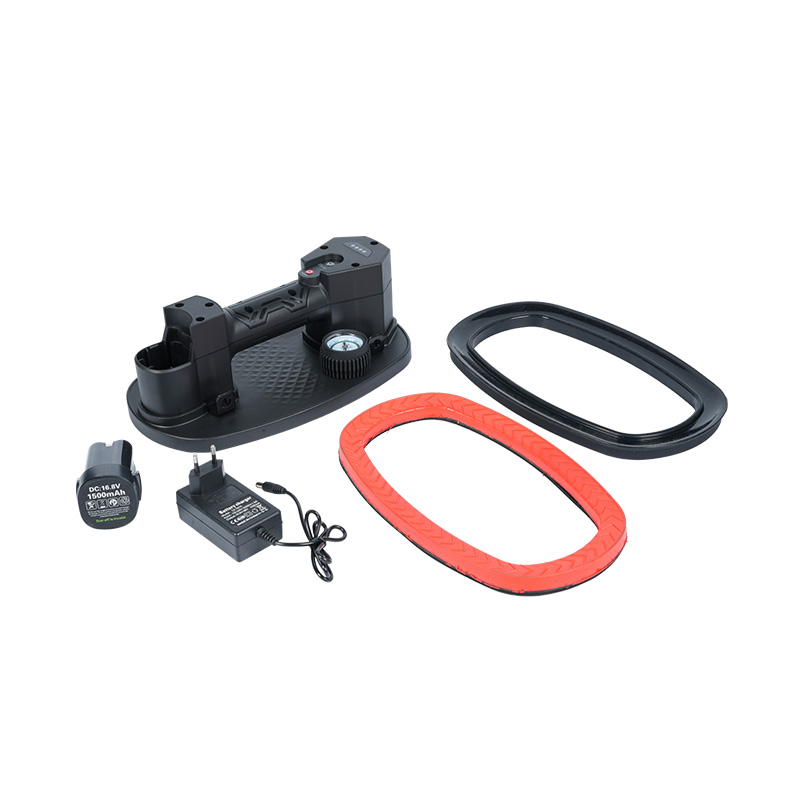
Suction-based lifting tools losing grip on micro-textured tiles
Spacers sliding on polished surfaces during alignment
Leveling systems struggling on uneven glaze thickness
Edge clamps slipping on chamfered tile edges
Research into suction mechanics confirms that microscopic surface channels can allow air ingress, weakening grip even when visible contact appears complete . The same principle applies to many tiling accessories that depend on stable surface adhesion.
Tile thickness variations affect tool calibration range
Modern architectural tiles often exceed 20 mm thickness, especially in outdoor or commercial applications. Standard tools designed for 8–12 mm tiles may not maintain accuracy or stability under increased load.
Key limitations observed in practice:
Leveling clips reaching mechanical stress limits too early
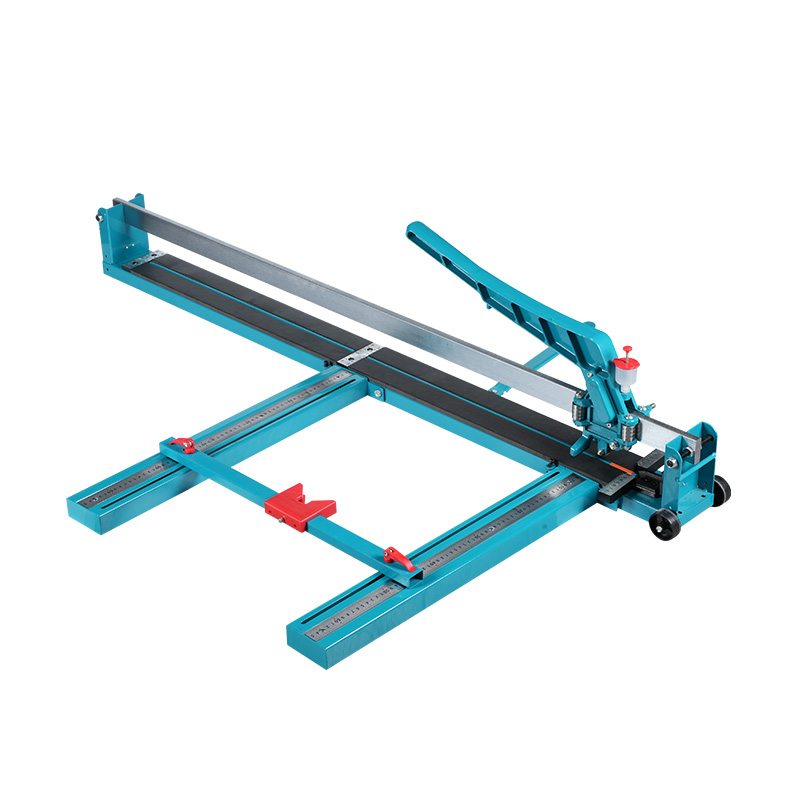
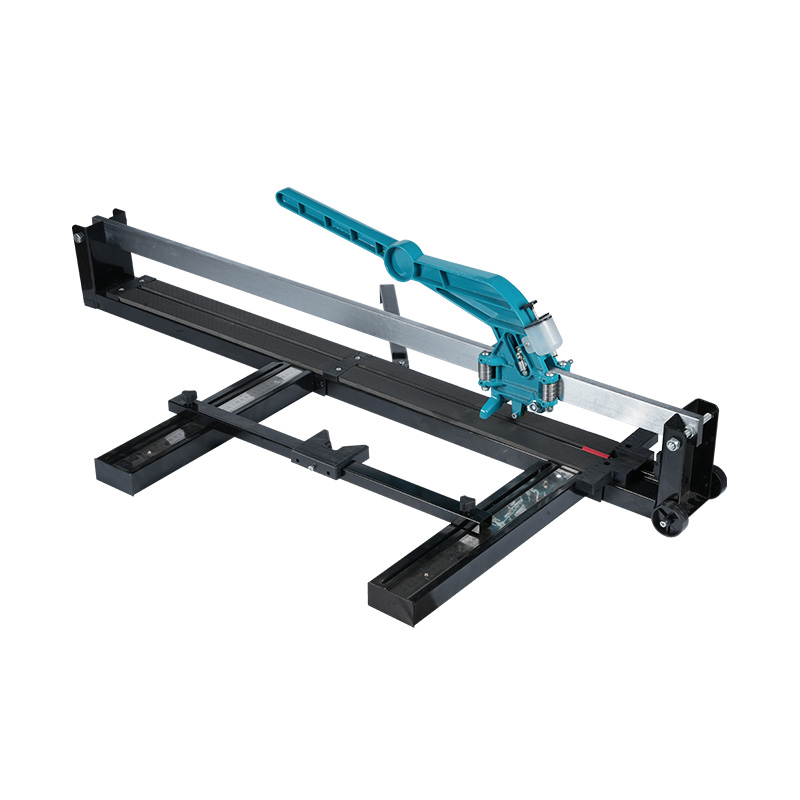
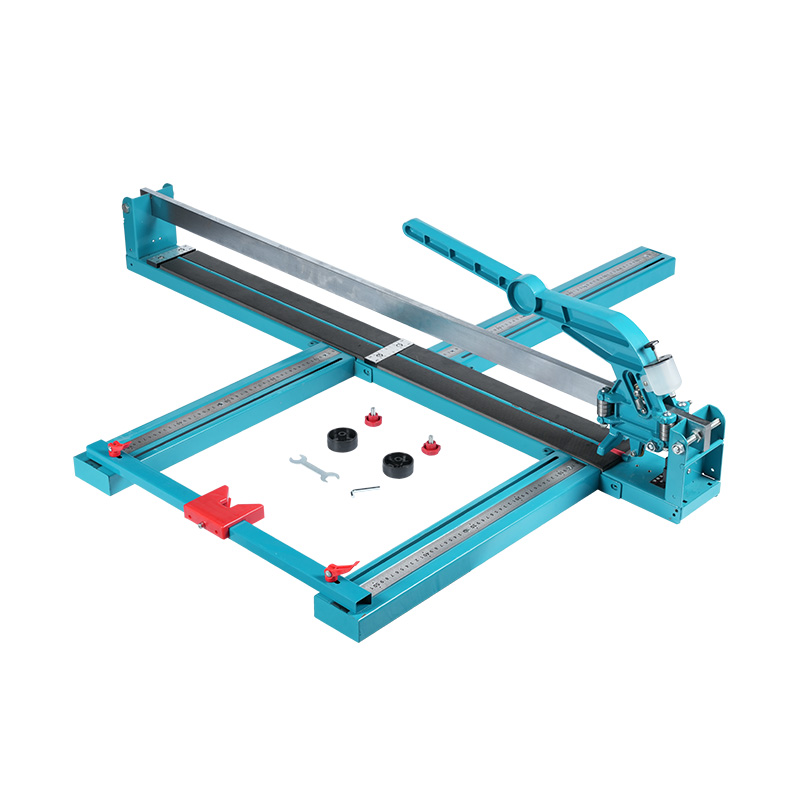
Manual cutters requiring excessive scoring force
Rail systems losing alignment on heavy slabs
Handling tools requiring larger contact pads for stability
A growing number of installation systems now integrate adjustable tension components or modular gripping surfaces to accommodate these variations. However, not all tools marketed under a Tiling Tools Manufacturer category include such adaptability.
Compatibility depends on installation method, not just tool design
Tile behavior changes depending on whether installation uses thin-set mortar, adhesive backing, or dry-lay systems. Each method introduces different mechanical constraints.
Observed differences include:
Thin-set applications allow minor adjustment after placement
Dry-lay systems depend heavily on substrate flatness
Large-format installations amplify even minor misalignment
Installation studies show that air voids beneath large tiles can create instability zones that affect long-term bonding performance, especially on gauged porcelain panels . This indirectly impacts how tools must be used during placement and vibration stages.
Environmental conditions alter tool performance thresholds
Temperature and humidity variations influence both tile expansion and tool material behavior. Rubber components may soften under heat, while rigid plastic parts can become brittle in cold environments.
Common field issues:
Suction pads losing elasticity in high heat environments
Metal rails expanding slightly, affecting straight-line precision
Moisture reducing friction between tile and positioning tools
Dust accumulation interfering with mechanical locking systems
Even small dimensional shifts can accumulate into visible installation inconsistencies over large surface areas.
Practical field observations from installers
Feedback from installation environments highlights recurring compatibility gaps:
One tool performs well on porcelain but slips on natural stone
Cutting systems behave differently between glossy and matte surfaces
Leveling systems require adjustment depending on tile batch variation
Handling tools often need supplemental grips for large slabs
This variability explains why professionals often use multiple tool systems rather than relying on a single unified setup.
Engineering direction toward adaptive tool systems
Recent development trends inside the tiling tools sector focus on adaptability rather than universal compatibility. Modular suction systems, adjustable pressure regulators, and hybrid mechanical-vacuum grips are increasingly common.
Some advanced systems incorporate:
Multi-density rubber contact layers
Adjustable vacuum chambers for different surface roughness
Reinforced rails with thermal expansion compensation
Sensor-assisted load monitoring during handling
These improvements aim to reduce mismatch between tool assumptions and real tile variability rather than forcing a single tool design to cover all scenarios.
Tiling tools are not universally compatible across all tile materials, despite similar outward design. Performance depends on a combination of surface texture, material hardness, thickness, and installation method. Understanding these variables allows better matching between tool selection and tile type, reducing unexpected failure during cutting, alignment, or placement tasks.
 English
 русский
 Español
 italiano