English
 русский
 Español
 italiano


A clean score line does not always guarantee a clean tile edge. Many installers notice tiny chips, rough corners, or uneven breaks even though the cutting process appears correct. Those small defects may seem harmless at the beginning, yet they often become noticeable after grouting or under strong lighting, especially with polished porcelain tiles.
Rather than blaming the tile itself, it is worth examining the cutter, the scoring wheel, the rail system, and the snapping mechanism. Industry discussions and technical guides consistently point out that hidden edge damage is frequently connected to tool condition, tile compatibility, and cutting technique rather than the material alone.
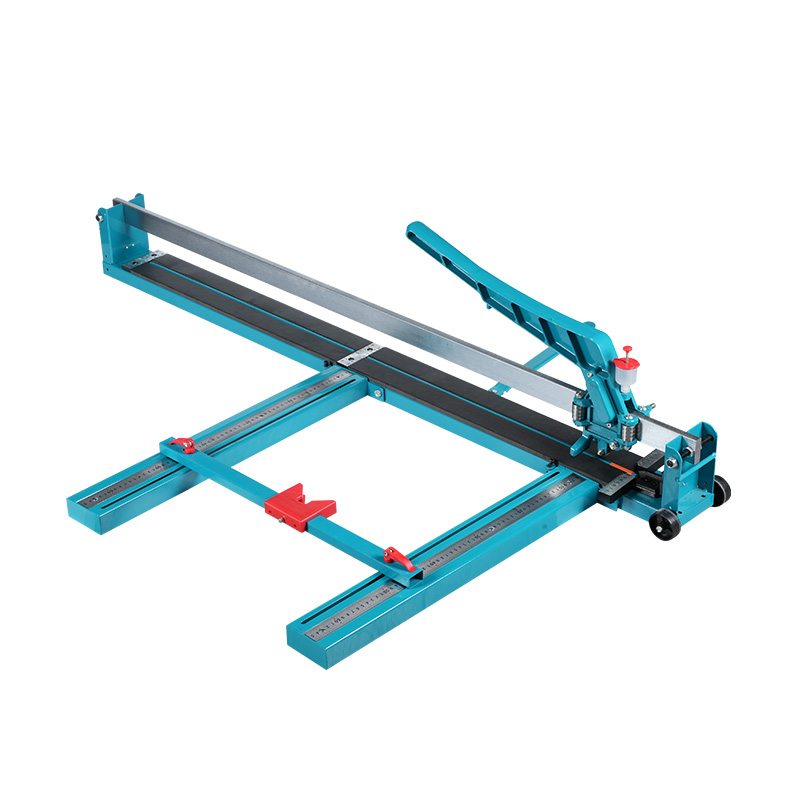
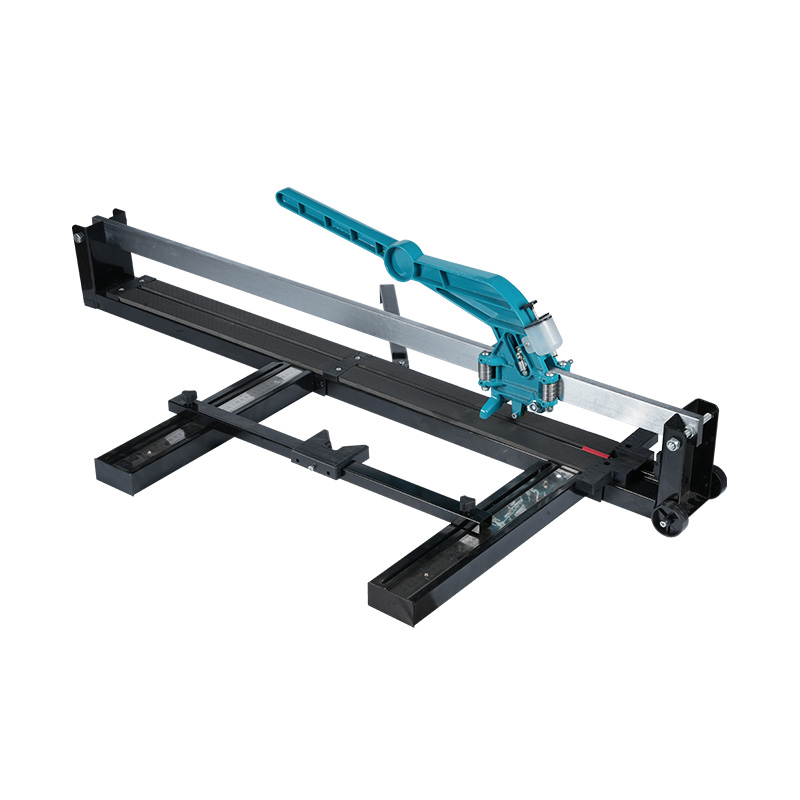
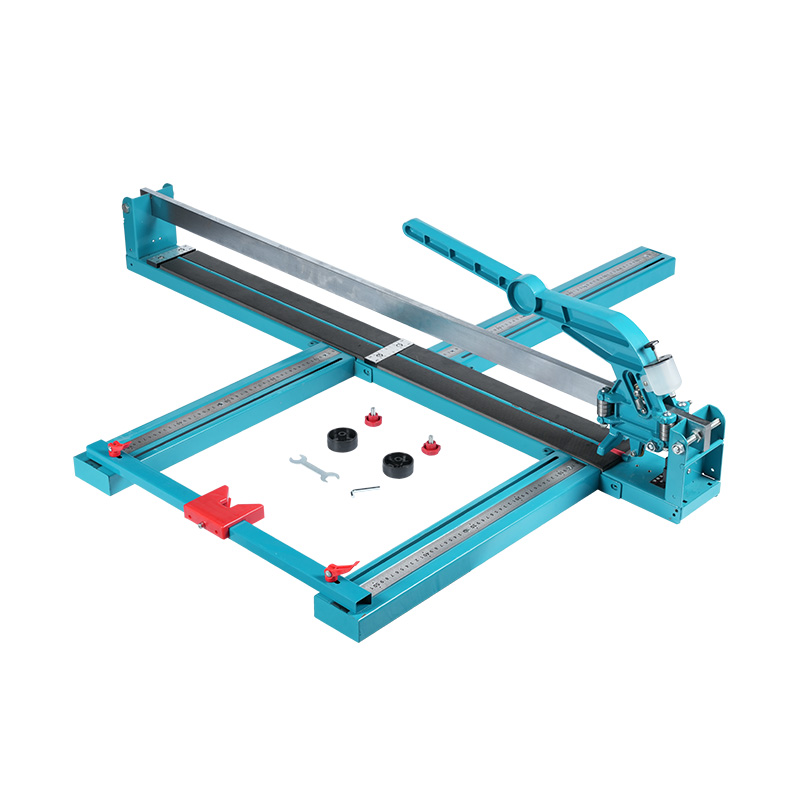
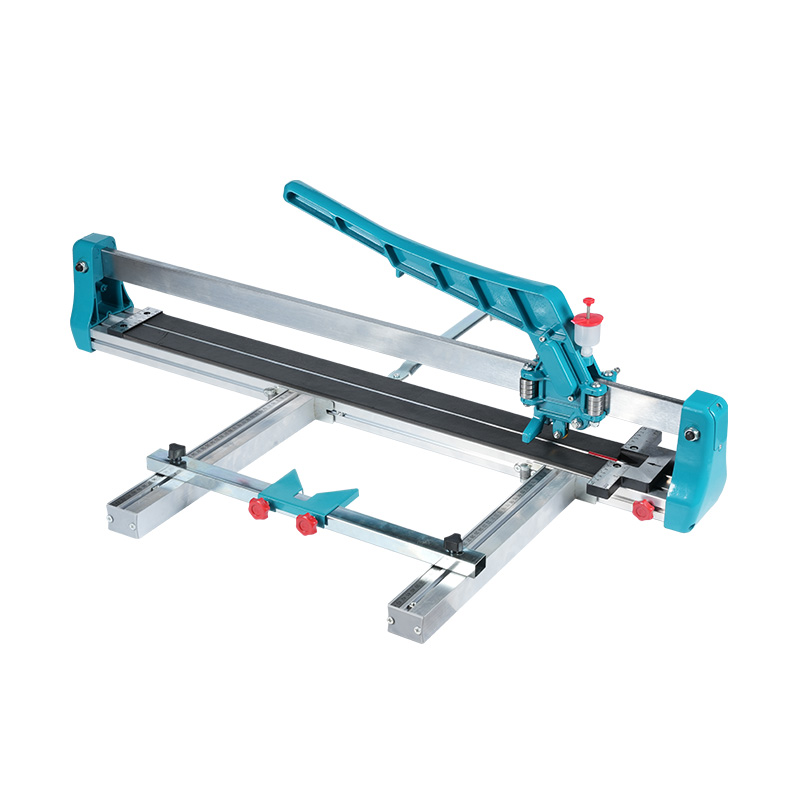
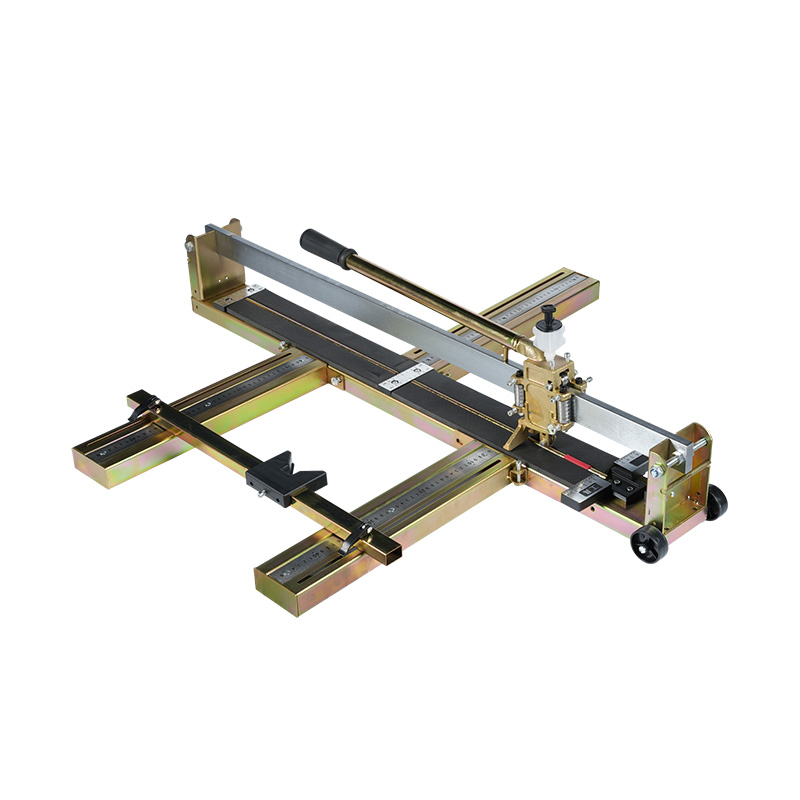
An Industrial Grade Manual Tile Cutter is designed to provide higher rigidity and improved cutting consistency, but even premium equipment cannot compensate for incorrect setup or unsuitable operating habits.
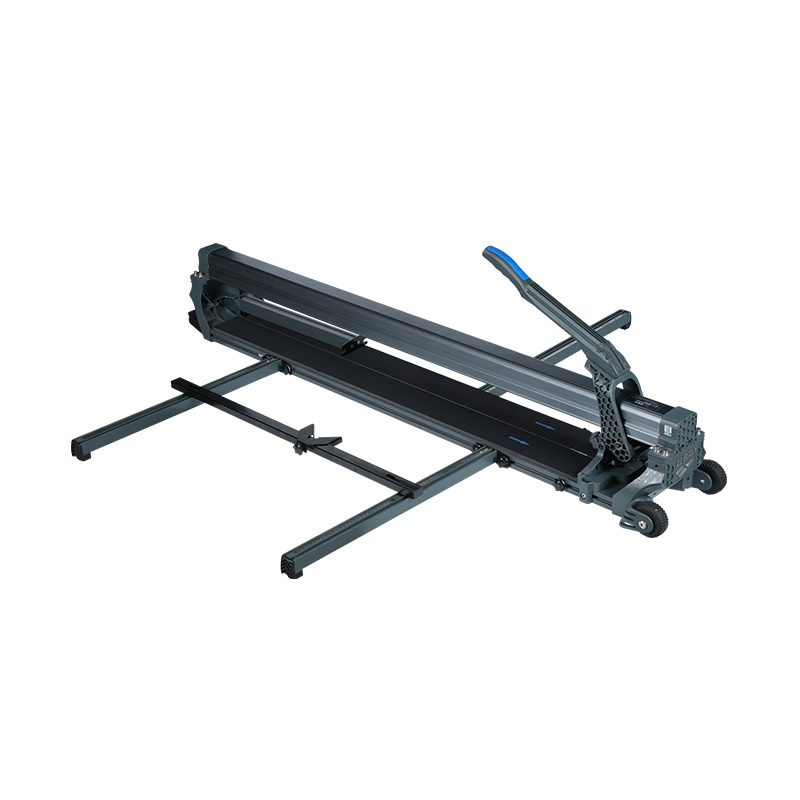
Many people assume damage occurs only during the snapping stage. Actually, microscopic fractures often begin while the scoring wheel travels across the tile surface.
Every scoring pass creates controlled stress. Excessive force, uneven pressure, or worn cutting wheels may create tiny fractures beneath the glaze. These fractures remain invisible until the tile separates.
Common early warning signs include:
Many installers mistake these symptoms as material defects even though they originate during scoring.
Frame rigidity directly affects scoring accuracy.
A slight amount of rail movement changes wheel pressure across the tile surface. Dense porcelain reacts quickly to this variation, producing inconsistent score depth from one end to the other.
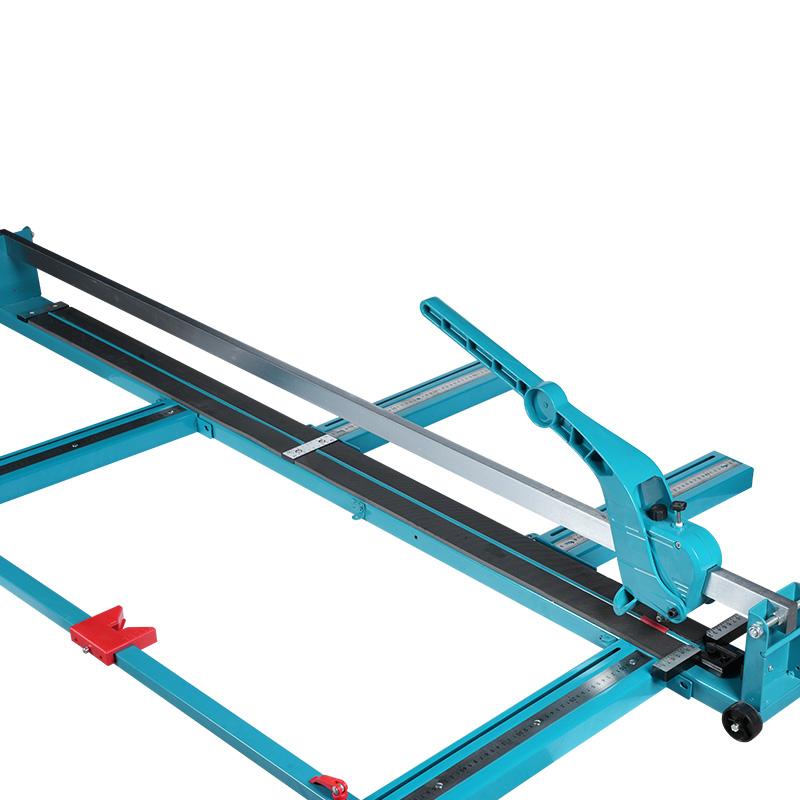
Industrial models often use features such as:
Typical cutting capacities may include:
Greater structural stiffness helps maintain even scoring pressure from beginning to end.
Repeated scoring feels safer to many beginners, yet it usually creates multiple fracture paths.
Professional recommendations generally favor one continuous scoring pass using steady pressure. Multiple passes increase surface abrasion and may produce irregular break lines instead of improving accuracy.
Consistent pressure matters more than additional passes.
Ceramic and porcelain behave very differently despite their similar appearance.
Porcelain tiles are manufactured under higher firing temperatures and have a denser internal structure. This makes them harder, yet also more brittle during snapping.
Dense materials generally require:
Technical guidance also suggests that very thick porcelain, textured surfaces, and certain stone materials may exceed the practical capability of many manual cutters.
The carbide wheel performs all initial cutting work.
Even slight wear changes the contact profile against the glaze.
Instead of producing a narrow, continuous groove, a worn wheel may create:
Routine inspection is worthwhile, particularly after cutting large quantities of porcelain.
Scoring receives plenty of attention, while snapping technique often receives very little.
Applying breaking pressure too close to one edge allows stress to travel diagonally through the tile.
A properly designed breaker foot distributes force across the score line rather than concentrating it on one corner.
Several professional cutters use wide breaker feet combined with mechanical leverage systems to improve pressure distribution across large-format tiles.
Tile dimensions continue growing across residential and commercial projects.
Panels measuring 600 × 1200 mm or even larger demand much higher cutter stability.
Potential issues include:
An Industrial Grade Manual Tile Cutter with reinforced rails and a wider support platform generally provides improved stability for these applications.
Glossy, polished, matte, textured, and stone-look porcelain each respond differently to scoring.
Glossy finishes may reveal tiny chips that remain nearly invisible on textured surfaces.
Stone-look porcelain often contains variable internal density, making fracture behavior less predictable.
Experienced installers frequently perform a trial cut before beginning an entire installation batch.
Small adjustments often improve edge quality without changing equipment.
Industry experts also recommend matching the cutter to the tile type rather than expecting one tool to perform equally well on every material. Extremely thick porcelain or natural stone may require different cutting equipment.
Visible chips rarely originate from a single cause. Tool rigidity, scoring wheel condition, tile density, pressure consistency, and support all interact throughout the cutting process.
Evaluating the complete cutting system instead of concentrating on only one component often produces cleaner edges and reduces unnecessary tile waste. Whether working with ceramic flooring, polished porcelain, or large-format wall panels, careful attention to equipment condition and operating technique allows an Industrial Grade Manual Tile Cutter to deliver reliable, repeatable cutting performance while minimizing hidden edge damage that might otherwise appear after installation.
Copyright © Yongkang Shuofang Import and Export Co., Ltd. All Rights Reserved.

Falans Tile Laying Tools Factory