English
 русский
 Español
 italiano


Large-format tiles have changed the way modern floors and walls are installed. Bigger porcelain slabs create a cleaner visual appearance, but they also introduce new installation challenges. One of the common concerns among installers is trapped air beneath the tile surface. These hidden gaps may reduce adhesive contact, create hollow sounds, and increase the risk of future cracking.
A tile vibration tool has become a practical solution for improving adhesive distribution beneath tiles. However, a common question remains: can vibration remove every air pocket during installation?
The answer depends on several factors, including mortar coverage, tile size, vibration force, substrate condition, and operating technique. A Handheld Tile Vibration Paving Tool can help collapse trapped air and improve contact between tile and adhesive, but it works as part of a complete installation process rather than a replacement for proper preparation. Many professional vibration tools are designed specifically to spread mortar evenly and reduce voids under porcelain, ceramic, and stone tiles.
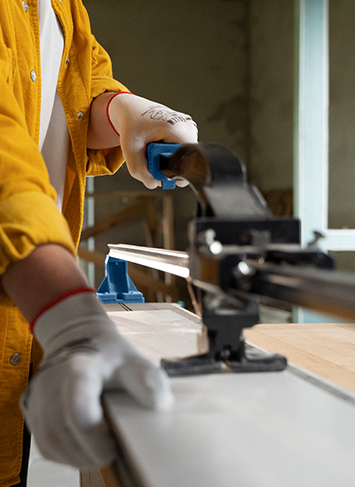
Air gaps rarely appear because of one single problem. They usually develop from uneven adhesive coverage or insufficient tile movement during placement.
Common causes include:
Large porcelain panels are particularly sensitive because their wide surface area makes it harder to achieve consistent contact manually. Hollow areas may not be visible immediately, yet they can become weak points after installation.
The main purpose of vibration is not simply moving the tile. The process helps the adhesive layer settle and allows mortar ridges to collapse more evenly.
During vibration, controlled movement travels through the tile surface. This movement helps push trapped air outward while allowing mortar to flow into small gaps beneath the tile.
Professional tile vibrators are commonly used for large-format porcelain because they create consistent movement across a wider area compared with manual tapping methods. Some battery-powered models use adjustable vibration settings to adapt to different tile sizes and adhesive conditions.
The short answer is no.
A vibration tool can significantly reduce trapped air, but it cannot correct every installation mistake.
Several conditions affect the final result:
The best results come from combining suitable adhesive application with controlled vibration.
The demand for oversized tiles has increased the importance of vibration technology.
A 600 × 1200 mm porcelain tile has a much larger contact area compared with traditional small ceramic tiles. Manual pressing alone may not distribute pressure evenly across the entire surface.
Large-format installations often require:
Professional slab vibrators are developed around this challenge. Some models provide vibration plates around 150 × 150 mm or larger working areas designed for different tile dimensions.
More vibration does not always mean better results.
A stable vibration pattern helps distribute mortar without creating unnecessary movement. Excessive force may shift the tile position, affect leveling systems, or disturb the intended layout.
A quality Handheld Tile Vibration Paving Tool typically focuses on:
Some professional equipment uses vibration frequencies around several thousand RPM to help collapse mortar ridges while maintaining tile stability.
Hollow tiles are usually connected with incomplete adhesive contact. A vibration tool can reduce this possibility by improving mortar coverage beneath the tile.
However, installation quality still depends on the complete system.
Important steps include:
Tile professionals often check coverage by lifting a test tile after placement to confirm whether adhesive reaches the required areas. Discussions among installers also highlight that hollow sounds are often related to incomplete mortar coverage rather than the tile itself.
Cordless vibration tools have become increasingly common because tile installation often happens across large rooms, outdoor spaces, and difficult working areas.
Modern handheld models may include:
Some combined suction and vibration tools allow installers to lift, position, and settle tiles with one device, especially useful for large porcelain panels.
Not every tile installation requires the same vibration approach.
Small ceramic tiles may need only limited adjustment, while large porcelain slabs benefit more from controlled vibration due to their size and weight.
Different applications may require:
A tile vibrator is not a magic solution that removes every possible installation defect. Its real value comes from improving consistency.
By helping mortar settle, reducing trapped air, and supporting better adhesive contact, a Handheld Tile Vibration Paving Tool provides installers with better control during challenging tile projects.
Successful tile installation still relies on preparation, correct adhesive application, and careful handling. Vibration technology works best as a supporting tool that helps transform a difficult surface installation into a more controlled and predictable process.
Copyright © Yongkang Shuofang Import and Export Co., Ltd. All Rights Reserved.

Falans Tile Laying Tools Factory