English
 русский
 Español
 italiano
Home / News / Industry News / How Does a Tile Vibrating Paver Improve the Quality of Floor Installation?



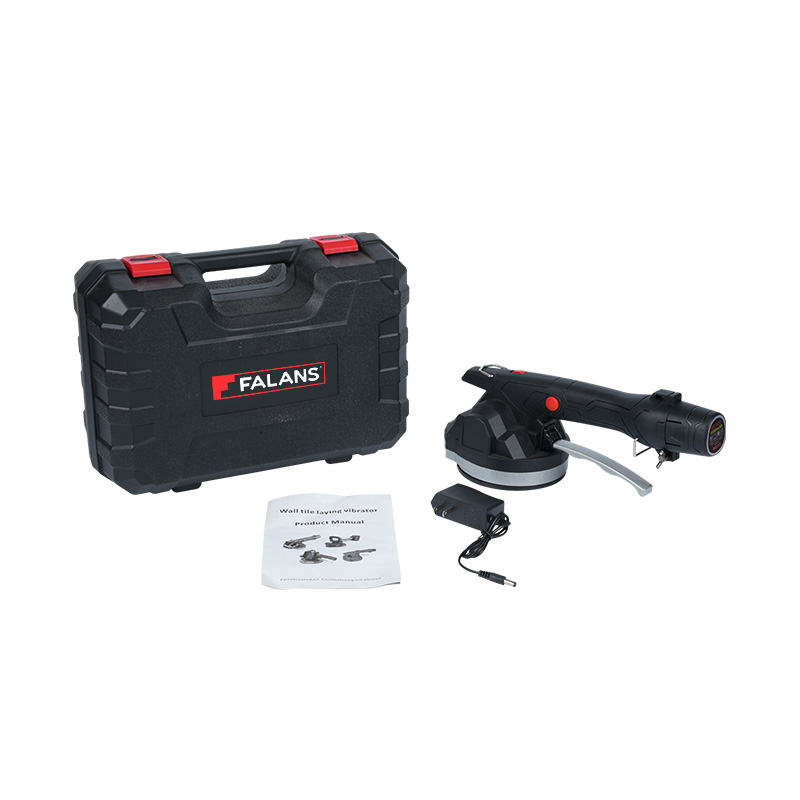
Installing tile flooring or outdoor paving requires precision, patience, and stable surface support. Small gaps, hidden air pockets, or uneven pressure can easily affect the overall finish. This is where a Tile Vibrating Paver becomes a practical tool on construction sites. Its role is simple but effective—help tiles settle firmly onto adhesive or mortar, helping the entire surface stay even and aligned.
Below is a clear look at how this tool works, why contractors often rely on it, and what features matter when choosing one.
A Tile Vibrating Paver uses gentle vibration to help tiles or pavers bond tightly with the base layer. The vibration spreads pressure evenly across the tile surface, reducing hollow spots and preventing future loosening.
Key functions include:
This tool doesn't replace manual skills, but it adds efficiency and stability to the process.
When tiles are placed by hand, pressure distribution can vary, especially with heavier or oversized pieces. A Tile Vibrating Paver brings uniform force—even on corners or edges—so the tile settles naturally into the right position.
Advantages in real usage include:
These small improvements make long-term maintenance easier and help reduce the need for early repairs.
Not all devices are the same, and choosing the right Tile Vibrating Paver can make work smoother. Here are some features worth paying attention to:
• Adjustable Vibration Strength
Different tiles and adhesives require different levels of force. Adjustable vibration helps users control the process without damaging the surface.
• Comfortable Grip and Weight Balance
The tool should feel stable in hand, especially when used for long hours. Good balance reduces fatigue and improves accuracy.
• Durable Plate Material
A smooth plate made from rubber or other impact-absorbing materials helps protect tiles from cracks.
• Battery or Corded Options
Battery-powered models offer flexibility on large job sites, while corded ones suit indoor or fixed-location tasks.
This tool fits both indoor and outdoor applications:
Because of its versatility, a Tile Vibrating Paver is frequently found in tiling teams, restoration work, and landscaping projects.
Using a Tile Vibrating Paver correctly can further improve the final finish:
These simple habits keep the workflow steady and prevent unexpected issues.
A Tile Vibrating Paver supports installers by offering reliable pressure distribution and helping tiles settle naturally into place. Its role may seem small, but the long-term benefits—whether applied to indoor floors or outdoor paths—are noticeable. With proper use and the right model, it becomes a dependable tool that contributes to smoother, more consistent construction results.
Copyright © Yongkang Shuofang Import and Export Co., Ltd. All Rights Reserved.

Falans Tile Laying Tools Factory