English
 русский
 Español
 italiano


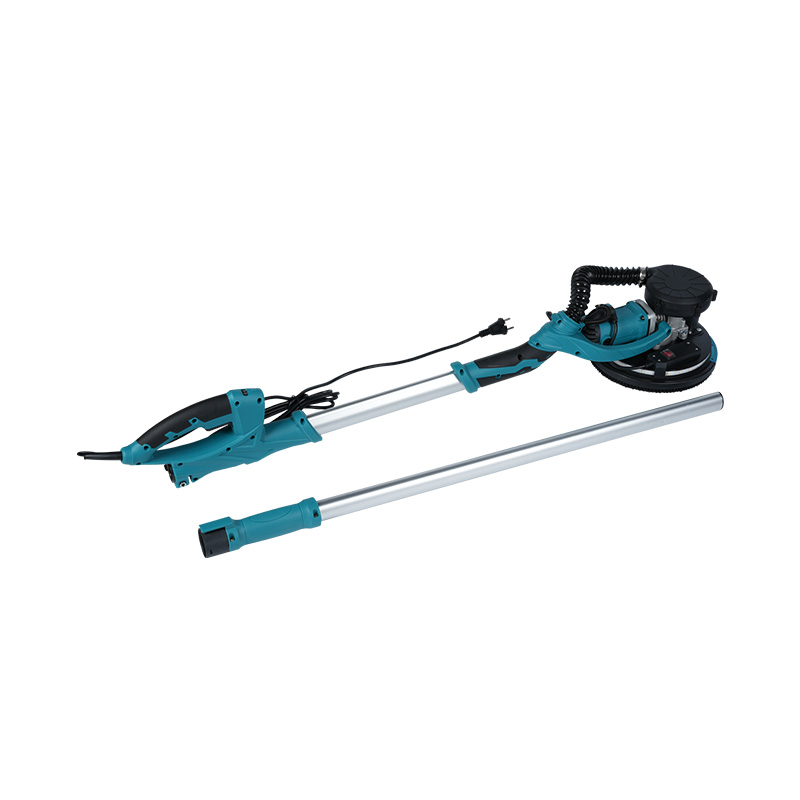
Laying tiles evenly and securely is essential for durable flooring and outdoor paving. A Tile Vibrating Paver is a specialized tool designed to help installers achieve uniform contact between tiles and the substrate. By using vibration, this equipment ensures proper settling of tiles and improves the overall stability of paved surfaces.
A Tile Vibrating Paver typically consists of a platform or base that supports the tiles, along with a vibration mechanism powered by electricity, fuel, or hydraulics. The vibration compacts the underlying bedding material and helps tiles settle into place without creating gaps. This reduces the risk of uneven surfaces and increases the longevity of the tiled area.
Unlike manual tamping, a vibrating paver applies consistent energy across the surface, making the installation process more efficient and less labor-intensive.
The Tile Vibrating Paver is commonly used in various applications, including outdoor walkways, patios, plazas, and industrial flooring. It is suitable for concrete tiles, interlocking pavers, and other types of masonry units. The tool is especially helpful for larger installations where uniformity and speed are important.
Construction companies often use this equipment to save time and improve quality, particularly when installing large numbers of tiles over extensive surfaces. It is also useful for DIY enthusiasts who want to achieve professional-looking results without extensive manual effort.
One of the main advantages of a Tile Vibrating Paver is efficiency. The vibration helps eliminate air pockets and uneven bedding under tiles, reducing the likelihood of future settling or cracking. It also improves the bond between tiles and adhesive or sand layers, creating a more stable surface.
Another benefit is the reduction of physical strain for installers. Manual tamping or hammering can be labor-intensive, but the vibrating paver reduces repetitive motion, making the process more manageable, especially for large projects.
Operating a Tile Vibrating Paver requires attention to safety and technique. Users should ensure the substrate is properly prepared, clean, and level before applying vibration. Protective equipment such as gloves, safety glasses, and ear protection is recommended due to vibration exposure and noise.
Consistent movement across the tiled surface is essential. Stopping in one area for too long may cause over-compaction or surface damage. Following the manufacturer's guidelines ensures even results and prevents premature wear of the equipment.
Maintaining a Tile Vibrating Paver is straightforward. Regularly checking the vibration mechanism, cleaning the platform, and inspecting for loose parts helps keep the equipment in good working order. Lubrication of moving components and periodic replacement of wear parts ensures reliable performance across multiple projects.
Proper storage in a dry environment prevents corrosion and prolongs the lifespan of the paver. With routine maintenance, this equipment can remain effective for years of regular use.
Overall, a Tile Vibrating Paver provides an efficient, reliable, and safe method for installing tiles and pavers. It ensures uniform settling, reduces installation time, and minimizes physical strain for workers. Whether used in residential, commercial, or industrial projects, the vibrating paver supports high-quality results and long-lasting surfaces.
For contractors, landscapers, or DIY enthusiasts, investing in this tool enhances paving operations by combining precision, speed, and consistency. By improving both the installation process and the finished surface, a tile vibrating paver becomes an essential part of modern paving work.
Copyright © Yongkang Shuofang Import and Export Co., Ltd. All Rights Reserved.

Falans Tile Laying Tools Factory