English
 русский
 Español
 italiano


Tile installation has changed significantly with the rise of large format ceramic and porcelain slabs. These materials are heavier and more fragile during handling, which makes control and stability important during placement. In this context, the Tile Vacuum Suction Cup has become a common tool on construction sites and renovation projects.
Instead of relying only on manual grip, installers now use tools that distribute weight and reduce direct strain. The Tile Vacuum Suction Cup supports this shift by offering a controlled way to lift and position smooth surfaces.
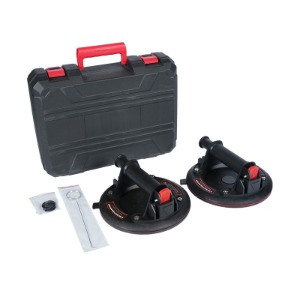
A Tile Vacuum Suction Cup works by creating negative pressure between the rubber pad and the tile surface. Once the air is removed, the suction force allows the tool to grip flat, non-porous materials such as ceramic, glass, or polished stone.
Most models include a hand pump or trigger system to generate suction. A Tile Vacuum Suction Cup may also feature a pressure indicator that shows whether the grip is stable before lifting begins.
The rubber base plays an important role in performance. It must stay flexible enough to seal tightly, while also maintaining durability under repeated use on rough job sites.
Modern tiles are often larger in size than traditional formats. This creates handling challenges, especially when working in tight indoor spaces or vertical wall installations.
Using a Tile Vacuum Suction Cup, installers can lift and move tiles with more controlled movement. The tool spreads force across the surface, reducing the chance of uneven pressure points that could cause cracks.
In wall tiling work, two or more suction cups are often used together. This helps balance the tile during alignment and positioning. The tool becomes part of a coordinated handling process rather than a single lifting point.
One important function of a Tile Vacuum Suction Cup is surface protection. Direct hand contact can introduce uneven pressure or accidental slipping, especially when tiles are wet or dusty.
Before use, the tile surface is usually cleaned to remove particles that may affect suction. A Tile Vacuum Suction Cup performs better on smooth, dry surfaces where air leakage is minimal.
Regular inspection of the rubber pad is also common. Small cracks or wear can reduce grip strength, so replacement parts are often used to maintain consistent performance.
On construction sites, time and coordination matter. A Tile Vacuum Suction Cup helps reduce repositioning steps by allowing installers to place tiles more precisely on the first adjustment.
When working with flooring layouts, teams often pre-plan tile placement patterns. The tool helps align tiles with less physical strain, especially during repeated lifting cycles.
It also supports safer handling when working in elevated areas or near edges where balance is harder to maintain.
Although useful, the tool has certain limitations. A Tile Vacuum Suction Cup may lose grip on textured or uneven surfaces, where air sealing is not complete.
Temperature and moisture conditions can also influence performance. For example, wet surfaces may require additional cleaning before suction is applied.
Workers often test the grip before full lifting by applying light tension. This simple check helps reduce accidental drops during movement.
In modern tiling work, tools that improve handling control are becoming more common. The Tile Vacuum Suction Cup supports safer and more structured tile placement, especially with larger and more delicate materials.
Its role is not about replacing skill but supporting it, giving installers more stability when working with surfaces that require careful positioning.
Copyright © Yongkang Shuofang Import and Export Co., Ltd. All Rights Reserved.

Falans Tile Laying Tools Factory