English
 русский
 Español
 italiano


Tiling projects, whether for residential or commercial spaces, require reliable and durable tools to achieve clean, precise results. A Tiling Tools Factory plays a vital role in producing the equipment that professionals and DIY enthusiasts rely on. Understanding how these factories operate can help buyers select tools that meet both functional and quality standards.
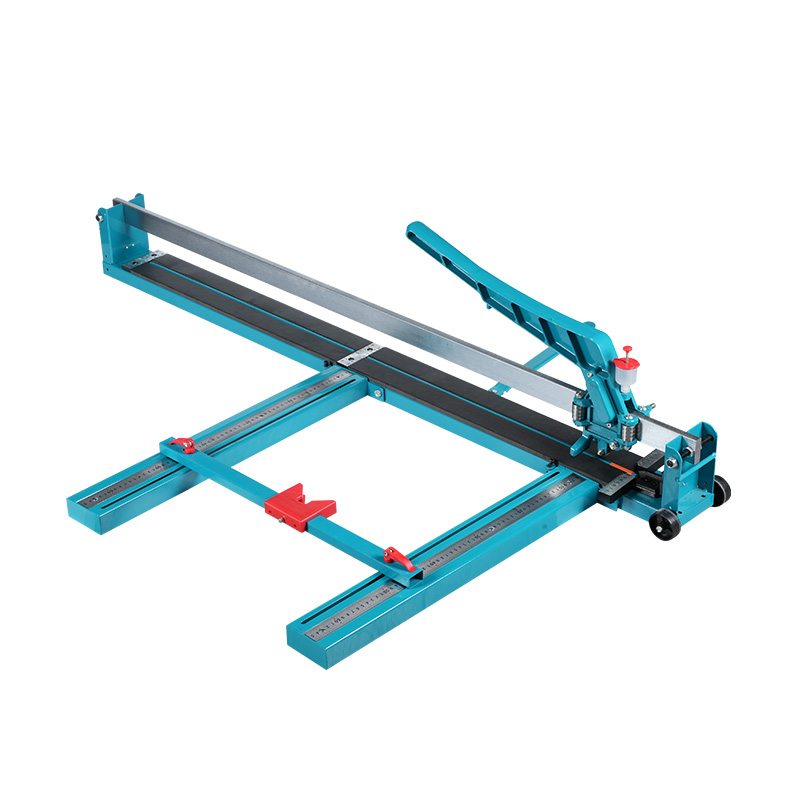
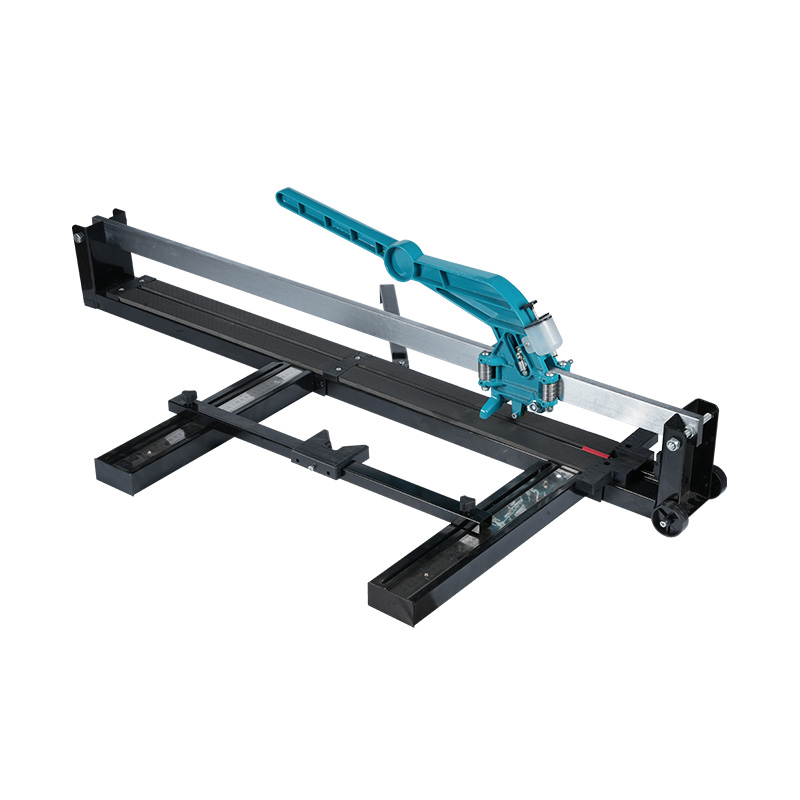
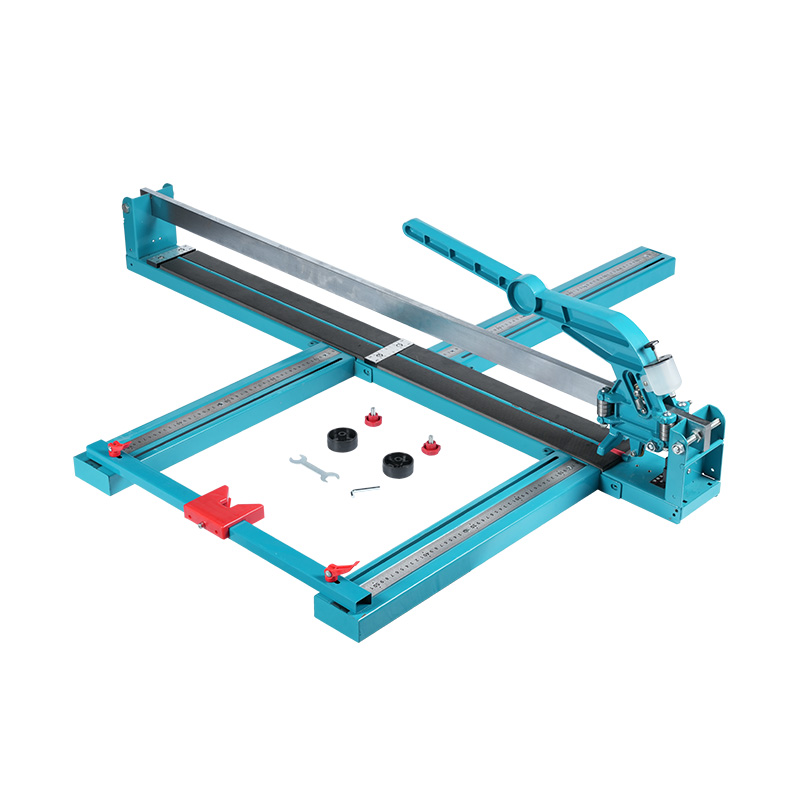
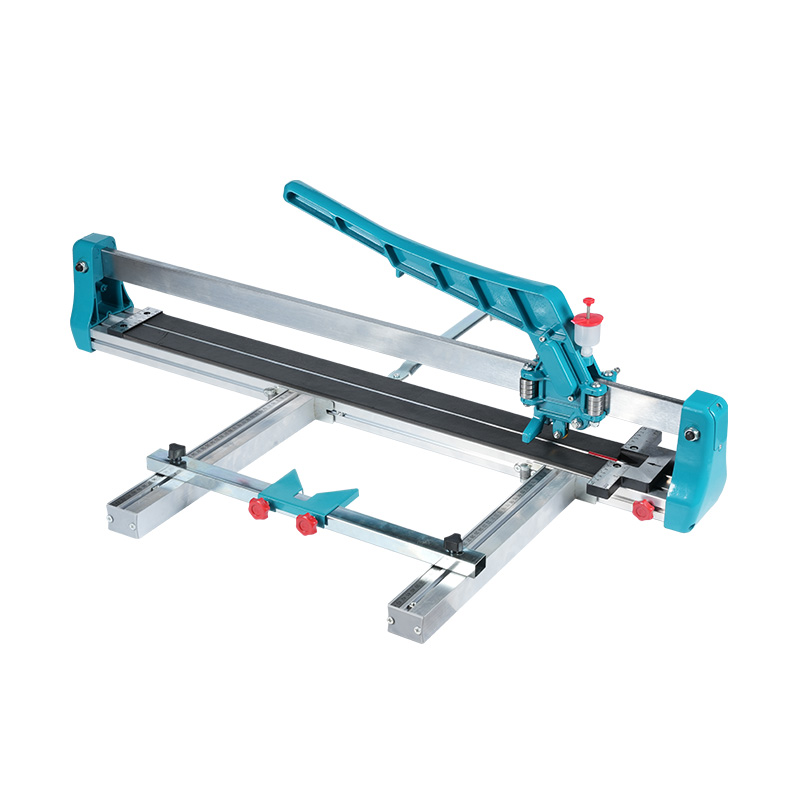
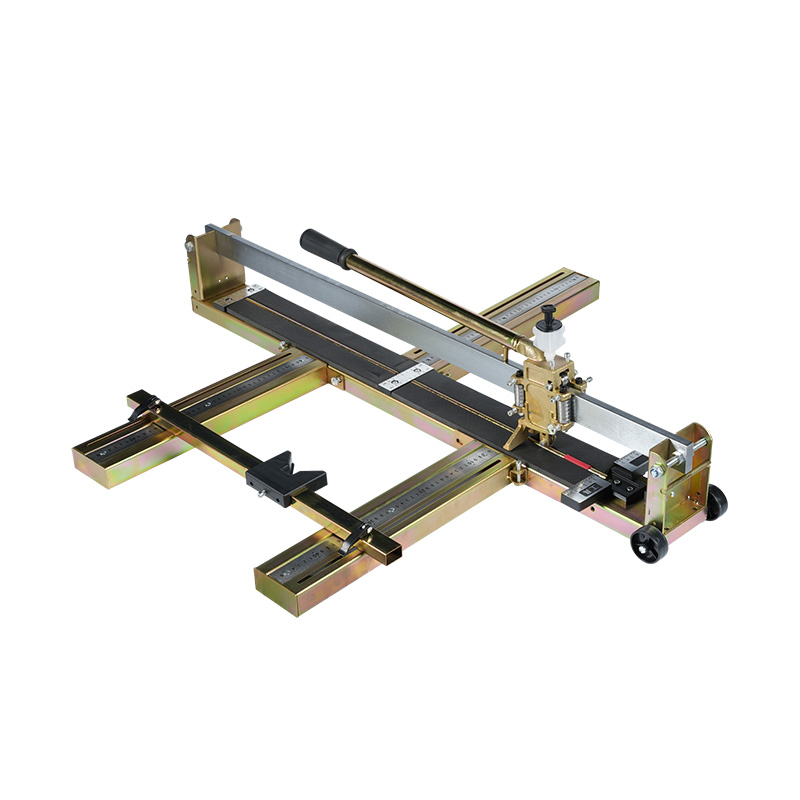
A Tiling Tools Factory begins with material selection, choosing metals, plastics, and rubber components that ensure strength, durability, and comfort. The tools are then shaped, molded, or assembled according to design specifications. For example, tile cutters require precise alignment and calibration, while trowels need ergonomic handles and evenly milled edges. Careful assembly and finishing are essential to ensure tools perform reliably over repeated use.
Some factories use a combination of manual craftsmanship and automated machinery to maintain consistency across production batches. This helps reduce defects and ensures that each tool meets performance expectations.
Quality control is a critical function of any Tiling Tools Factory. Finished tools are inspected for defects, strength, and durability. Tile cutters, spacers, and trowels are tested for precise measurements and even surfaces. Safety is also emphasized, particularly for cutting and handling tools that could pose risks during use. Factories may follow industry standards for material safety and testing to ensure that tools remain reliable over time.
Regular inspection during production helps prevent defective items from reaching buyers. A factory that maintains clear quality control protocols provides greater confidence to contractors, retailers, and individual customers.
Many Tiling Tools Factory operations offer customizable options to meet different project requirements. Tool size, handle material, grip design, or cutting blade type can be adjusted based on specific needs. Some factories also produce kits or multi-functional tools designed for particular tiling applications. Understanding the factory's ability to handle customization allows buyers to choose products that suit both professional and DIY workflows.
Production capability affects both pricing and delivery schedules. A well-organized Tiling Tools Factory can handle large orders and tight deadlines without compromising quality. Communicating order volumes, specifications, and delivery expectations helps ensure smooth coordination. Factories with reliable scheduling and workflow management are better suited to meet seasonal or high-volume demands, particularly for retailers and distributors.
Environmental awareness is becoming increasingly important in manufacturing. Some Tiling Tools Factory operations focus on sustainable materials, recyclable components, and reduced waste processes. Buyers interested in eco-friendly products may find these options beneficial, both for corporate responsibility goals and consumer appeal. Efficient material use and responsible production practices enhance the overall value of the tools.
Support beyond manufacturing adds practical value. Many factories offer guidance on tool use, maintenance, and troubleshooting. They may provide spare parts, replacement handles, or advice for storage and care. This ongoing support helps buyers maintain tool quality over time and reduces operational interruptions on job sites.
A Tiling Tools Factory provides more than just raw products; it ensures that tools are reliable, functional, and suitable for a variety of tiling tasks. By understanding production methods, quality control, customization, efficiency, sustainability, and support services, buyers can make informed choices when sourcing tiling tools. Engaging with a factory that balances precision, durability, and flexibility helps ensure smooth operations for both professionals and DIY enthusiasts, leading to better results and safer working conditions.
Copyright © Yongkang Shuofang Import and Export Co., Ltd. All Rights Reserved.

Falans Tile Laying Tools Factory